
【演講題目】
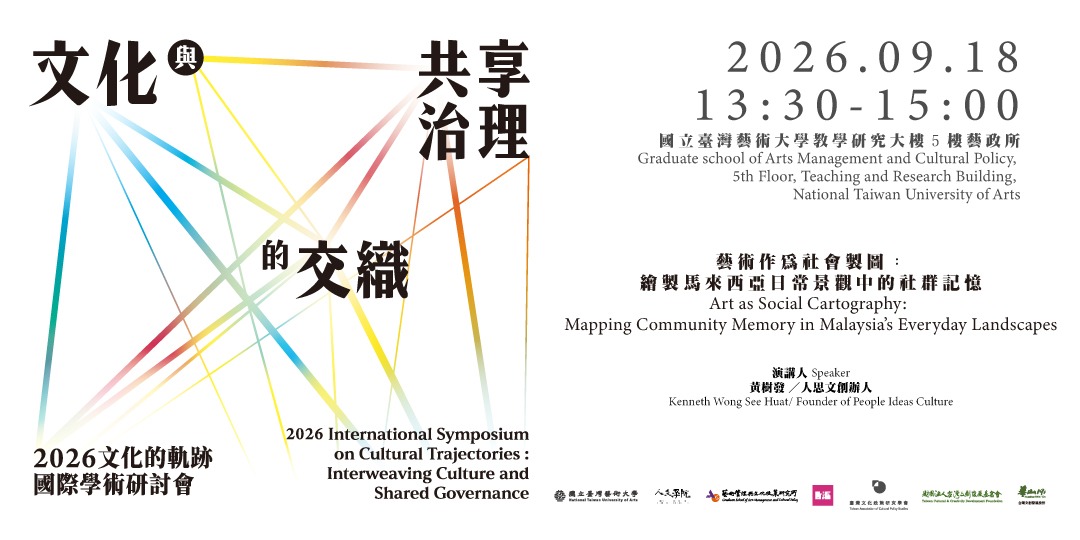
藝術作為社會製圖:繪製馬來西亞日常景觀中的社群記憶
Art as Social Cartography: Mapping Community Memory in Malaysia’s Everyday Landscapes
【中文摘要】
社會製圖所記錄的不只是地點,也包括人與地方之間的記憶、情感、關係及日常經驗。本演講將藝術、步行、口述歷史、社區檔案、飲食與數位媒介視為製圖工具,並透過三個馬來西亞案例展開討論。
吉隆坡孟沙文化步道透過心理地理式步行與社區訪談,從傳統商店、市場、宗教場所及聚會空間,追溯橡膠園轉型為當代住宅區的勞動史、商業記憶與社區變遷。
檳城《Siam Reversed》以飲食展演悼念被拆除的最後一座傳統暹羅民居,運用味覺、氣味與共同用餐保存文化失落;其後續展覽《Echoes in Between: Penang as Living Archive》進一步將房屋遺跡置於檳城逐漸消逝的地方、社群歷史及生活遺產之中。
仁嘉隆新村案例源自新村地方營造競賽。項目透過田野觀察梳理重要地標,規劃三條主題路徑及QR數位導覽概念,並嘗試以文化製圖協助青年重新認識、包裝及發展家族承傳的小型事業,鼓勵他們留下或回流。雖然計畫尚未取得執行資金,其構想仍展現地方營造、文化傳承與減緩人才外流之間的可能連結。
三個案例說明,地圖並非中立的紀錄,而是對「誰的故事值得被看見」的選擇。當居民被視為知識持有者及共同研究者,藝術便能將生活經驗轉化為公共知識,並促進地方認同、社區韌性與協作治理。
【English Abstract】
Social cartography maps more than physical locations. It traces the memories, emotions, relationships and lived experiences that give meaning to a place. This presentation approaches art, walking, oral history, community archives, food and digital media as mapping tools through three community-based projects in Malaysia.
The Bangsar Heritage Walks employ psychogeographic walking and conversations with residents and business owners to trace the neighbourhood’s transformation from a rubber estate into a contemporary Kuala Lumpur suburb. Traditional shops, markets, religious sites and gathering places reveal overlooked histories of labour, commerce and community change.
In Penang, Siam Reversed responded to the demolition of the island’s last traditional Siamese house through an edible memorial, using taste, scent and communal dining to process cultural loss. Its curatorial sequel, Echoes in Between: Penang as Living Archive, situated the house’s surviving traces within a wider constellation of artworks concerning disappearing places, community histories and everyday heritage.
The Jenjarom New Village project originated as a proposal for a new-village place-making competition. Preliminary fieldwork mapped significant local landmarks as the basis for three thematic trails and a QR-linked digital interpretation concept. It also explored how cultural mapping might encourage younger residents to remain in or return to the village by rebranding and developing inherited family enterprises and small businesses. Although funding has not been secured and the proposal remains unimplemented, it connects heritage interpretation with local entrepreneurship and the mitigation of youth outmigration.
Together, these cases demonstrate that maps are never neutral: they influence whose stories become visible. By positioning residents as knowledge holders and co-researchers, artistic practice can transform lived experience into public knowledge while supporting place-based identity, cultural transmission, community resilience and collaborative governance.
【演講者簡介】
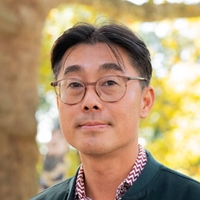
Kenneth Wong(黃樹發)為人思文(People Ideas Culture)創辦人、獨立策展人及文化景觀研究者,現任 ICOMOS Malaysia 文化路徑國家科學委員會副主席。其研究與實踐聚焦於社區遺產、地方營造、文化製圖、臨時空間及社會參與式藝術,並透過策展、步行田調與跨領域合作,探索藝術作為公共知識生產與社區行動媒介的可能性。
【Speaker English Biography】
Kenneth Wong See Huat is the founder of People Ideas Culture, an independent curator and cultural landscape researcher, and Vice-Chair of the National Scientific Committee on Cultural Routes, ICOMOS Malaysia. His practice focuses on community heritage, place-making, cultural mapping, temporary spaces and socially engaged art. Through curatorial projects, walking-based fieldwork and interdisciplinary collaboration, he explores how art can make overlooked histories visible and support public knowledge, cultural participation and community-led action.
-------------------------------------------------------------------------------------------------------------------------
主辦單位:國立臺灣藝術大學人文學院藝術管理與文化政策研究所
演講日期:2026年9月18日(五)
會議地點:國立臺灣藝術大學教研大樓5樓藝政所
Organizer: Graduate School of Arts Management and Cultural Policy, College of Humanities, National Taiwan University of Arts
Dates: September 18 (Friday), 2026.
Venue: 5th Floor, Teaching and Research Building, Graduate School of Arts Management and Cultural Policy, National Taiwan University of Arts