
中山科藝所 ZITA |活動訊息 EVENT ANNOUNCEMENT
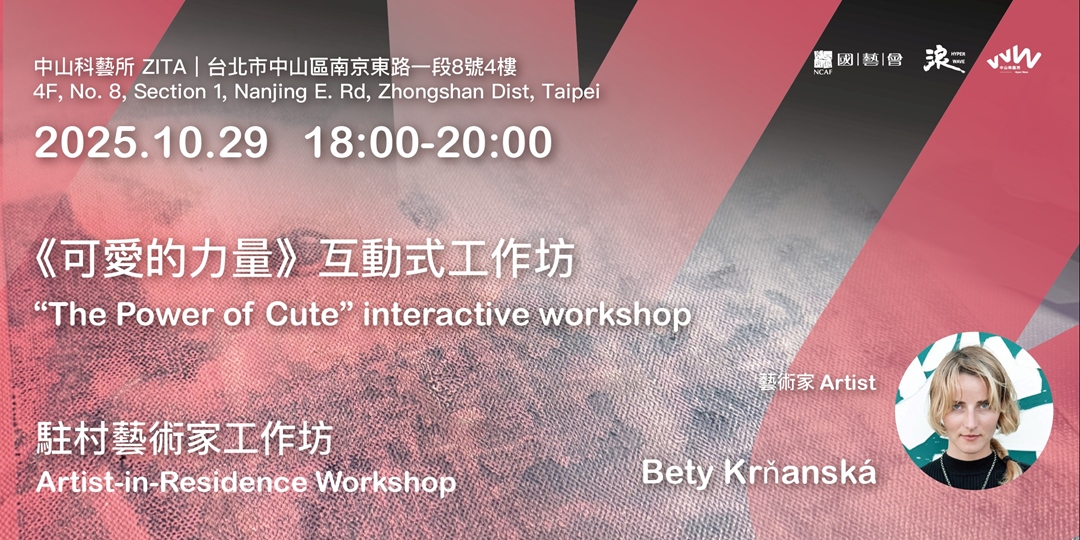
駐村藝術家Bety Krňanská工作坊 🧸
《可愛的力量》互動式工作坊
“The Power of Cute” interactive workshop
📅 時間 Time|2025.10.29(三 Wed.)18:00 - 20:00
📍 地點 Venue|中山科藝所 ZITA(台北市中山區南京東路一段8號4樓 4F, No. 8, Sec. 1, Nanjing E. Rd., Taipei)
💬 本場工作坊將以英文進行
This workshop will be conducted in English.
🔹 流程 Program
- 18:00–18:30|工作坊前導簡介 Workshop Introduction
- 18:30–19:00|繪畫環節 Drawing Session
每位參與者繪製一個自己認為可愛的生物,反映其情感與美學連結。Each participant draws a creature they consider cute, reflecting their emotional and aesthetic attachment.
- 19:00–20:00|AI 轉化(生成與討論) AI Transformation
將繪畫數位化並以 AI 工具生成「寫實」版本,揭示科技如何重塑想像與感知。The drawings are digitized and processed by an AI tool to produce “realistic” versions, revealing how technology reshapes imagination and perception.
📝 工作坊簡介
《可愛的力量》(The Power of Cute)是一場互動式工作坊,旨在探討「可愛」在當代社會中的文化、情感與性別影響。靈感來自我在台灣駐村期間所遇見的各種動物與生物——牠們常被打扮、配飾、並被以孩童般的方式對待。這場工作坊反思了「可愛」如何成為一種情感勞動與身份建構的形式,特別對於女性而言,在一個高度視覺化的世界中,她們必須在關懷與自我呈現的壓力之間游移。
在當代許多社會中,隨著生育率下降與傳統性別角色的轉變,照顧與養育的本能開始尋找新的出口。不再專屬於母職,它如今透過寵物、虛擬角色或可收藏的物件而得以表現。於是,「可愛」既是安撫性的,也是表演性的——它讓人們(尤其是女性)在展現柔軟與敏感的同時,也得以在獨立與自我形象之間取得平衡。
工作坊邀請參與者回望自身與「可愛」之間的連結:它如何出現在個人的記憶、美學與日常的自我表達之中?透過繪畫與討論,我們將共同探問:
✎ 「可愛」如何形塑我們對關懷、慾望與身份的理解,特別是在這個不斷自我展示的文化中?
✎ 我們對「可愛事物」的吸引,揭示了哪些關於性別期待與情感生存的現象?
✎ 當人工智慧介入,「柔軟」與「女性性」的視覺符碼會如何被再詮釋與商品化?
透過將參與者的繪畫轉化為 AI 生成的「真實」版本,工作坊開啟一場對話:科技如何介入幻想與情感,而視覺文化又如何持續定義何謂「可愛」、「脆弱」或「女性化」。
The Power Of Cute is an interactive workshop exploring the cultural, emotional, and gendered influence of cuteness in contemporary society. Inspired by the animals and creatures I encountered during my stay in Taiwan, often dressed, accessorized, and treated like children, the workshop reflects on how cuteness becomes a form of emotional labor and identity construction, particularly for women navigating the pressures of care and presentation in a hyper-visual world.
In many societies today, where fewer people are having children and traditional gender roles are changing, the instinct to care and nurture often finds new outlets. Instead of being focused on motherhood, it is now expressed through pets, digital characters, or collectible objects. In this way, cuteness becomes both comforting and performative—it allows people, especially women, to express tenderness and sensitivity while also navigating independence and self-presentation.
The workshop invites participants, to reflect on their personal connections to cuteness, how it manifests in their memories, aesthetics, and daily gestures of self expression. Through drawing and discussion, the participants collectively explore questions such as:
✎ How does cuteness shape our understanding of care, desire, and identity in a culture of constant self-display?
✎ What does our attraction to the “adorable” reveal about gendered expectations and emotional survival in contemporary life?
✎ How might AI reinterpret and commodify our shared visual codes of softness and femininity?
By transforming participants’ drawings into AI-generated “realistic” versions, the workshop opens a dialogue about how technology mediates fantasy and emotion, and how visual culture continues to define what is perceived as lovable, fragile, or feminine.