© 思入玄
| 開放預約參觀時間 |
每週一.二.三 10:00-16:00
每週四.五 8:00-12:30
每週六.日 8:00-09:45
.目前展期延長至 2025/02/14,02/04-02/14 皆可預約。
.2025/01/20 起,在思入玄 Facebook 開放線上展售,無法前來的朋友可透過粉專參觀與購買。
.2025/01/15 之後,朝鮮李朝茶碗系列會比較完整,主要希望參觀這個部分的朋友們請預約 01/15 以後的日期。
.報名經審核通過,會寄送email通知,請報名者務必回覆,請最晚在預約參觀前三天確認參觀日期與時段,詳細地址資訊會在email裡提供。
.週一.二.三時段可同時預約「生態/有機茶體驗」,採自在捐方式。
------------------------------------------------------------
深深地凝視 / よく見ると
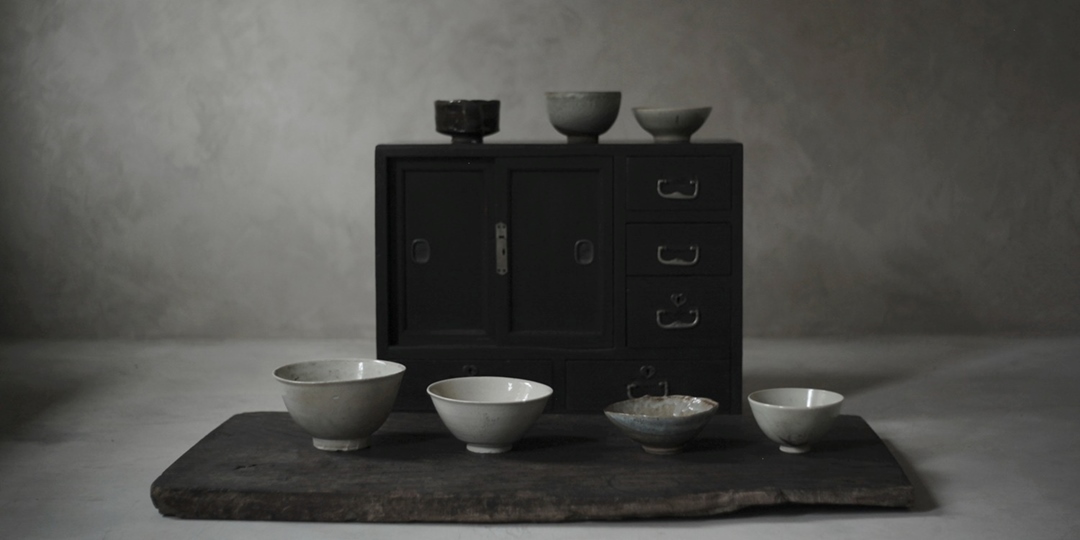
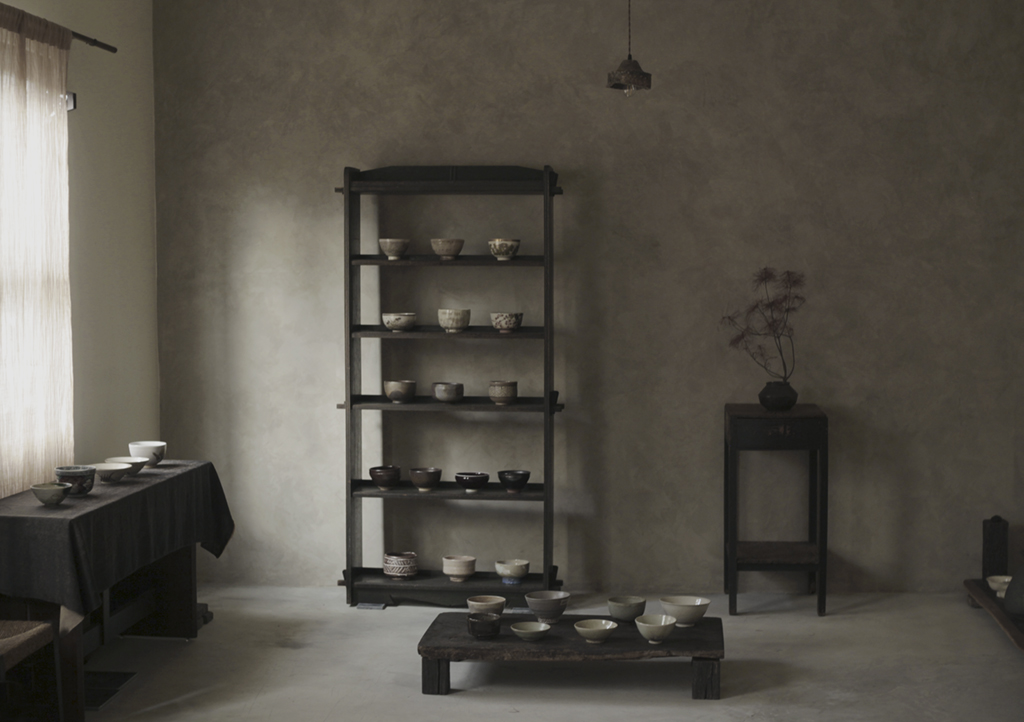
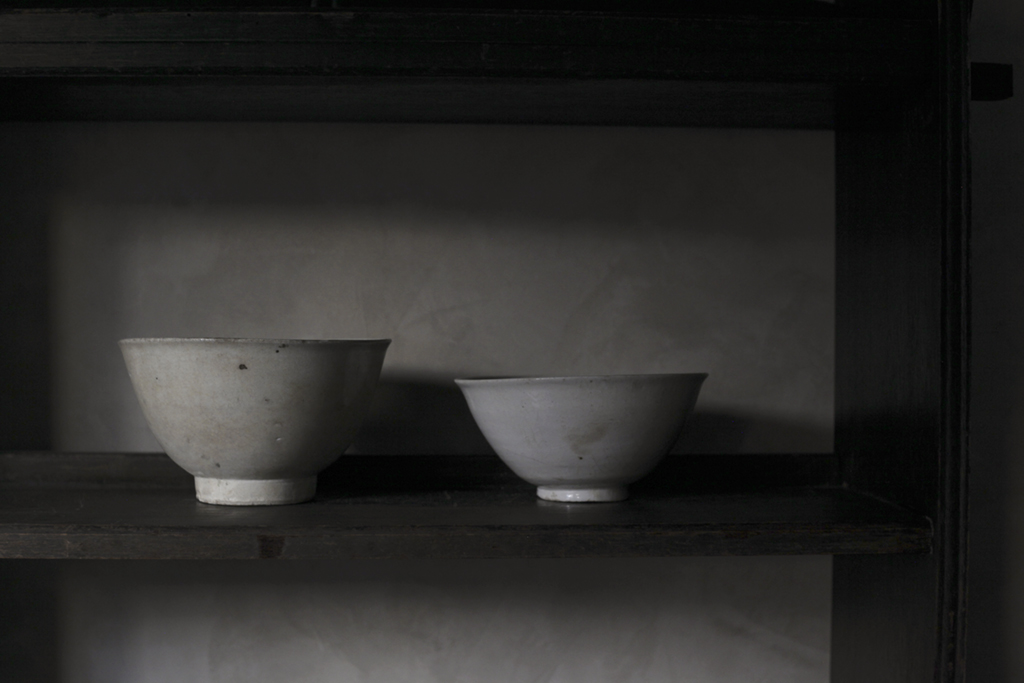
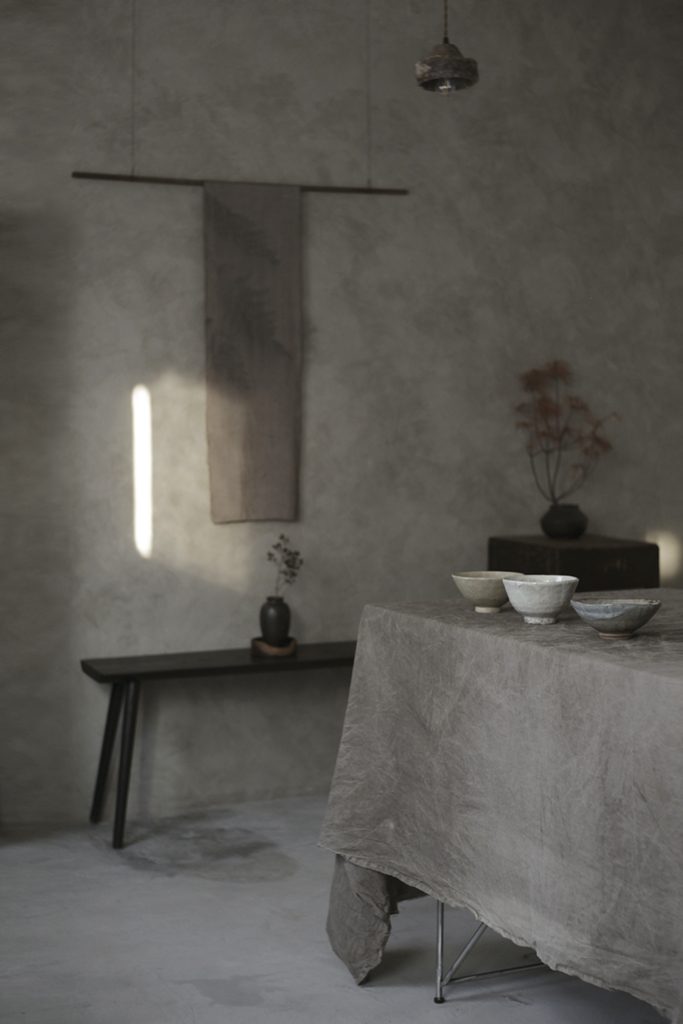
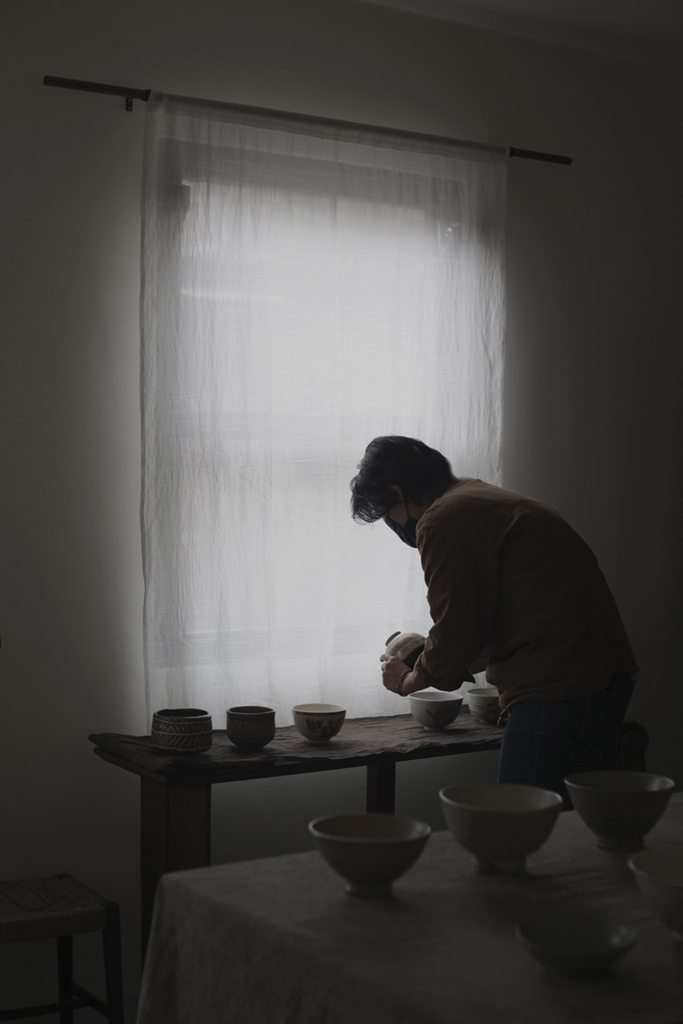
朝鮮李朝與日本茶碗特展
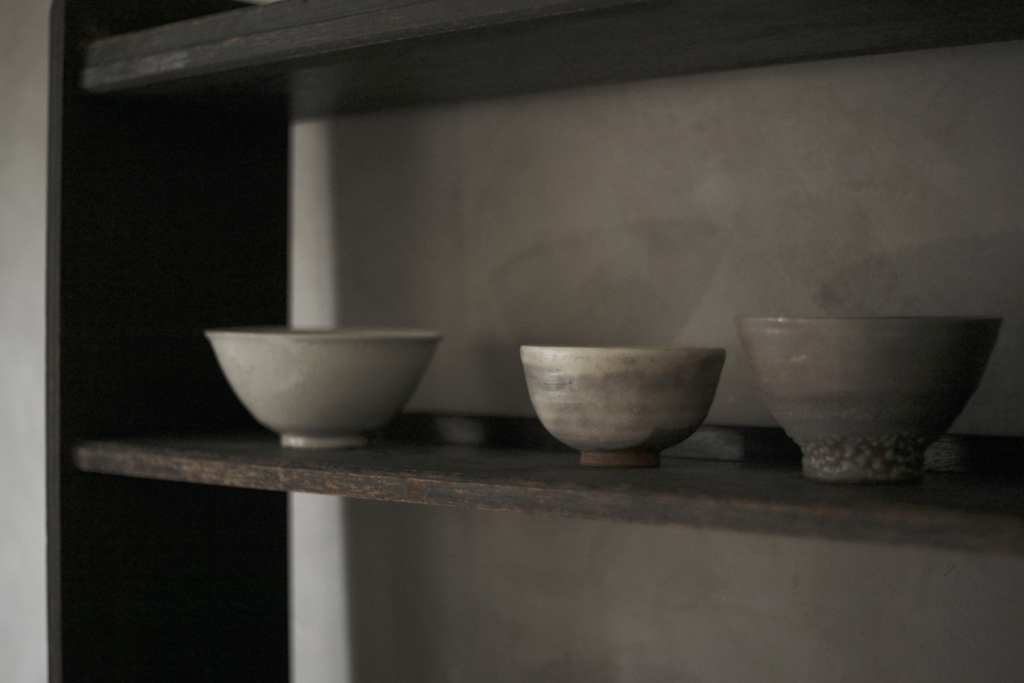
朝鮮李朝(1392年-1897年)在日本之前,自中國得到了燒製陶瓷的技術,因此發展出來的型態繁多,茶碗為高麗陶器的其中一種類別,而以庶民使用的茶碗如井戶茶碗,又稱maksabal,指的是「萬用的碗」,最能忠實地象徵當時人們生活樣貌的背景,當時朝鮮茶碗主要是為了實用而製作,在非茶道的日常儀式使用。在流傳到茶道盛行的日本之後,由於它們簡單、內在、純粹而堅毅的美,被茶人視為能夠表現謙遜與不完美的最高茶道精神的茶碗,其他還有堅手、熊川、粉引、青瓷、白瓷、三島等種類茶碗。
日本的燒製陶瓷技術得自朝鮮,江戶時期(1603-1868年)為日本煎茶盛行的階段,當時有飲用抹茶、煎茶、水及粗茶用的茶碗,根據不同季節,人們會使用不同的茶碗,發展出的類別有:樂燒、萩燒、唐津燒、京燒、志野燒、備前燒、織部燒和瀨戶燒等茶碗。
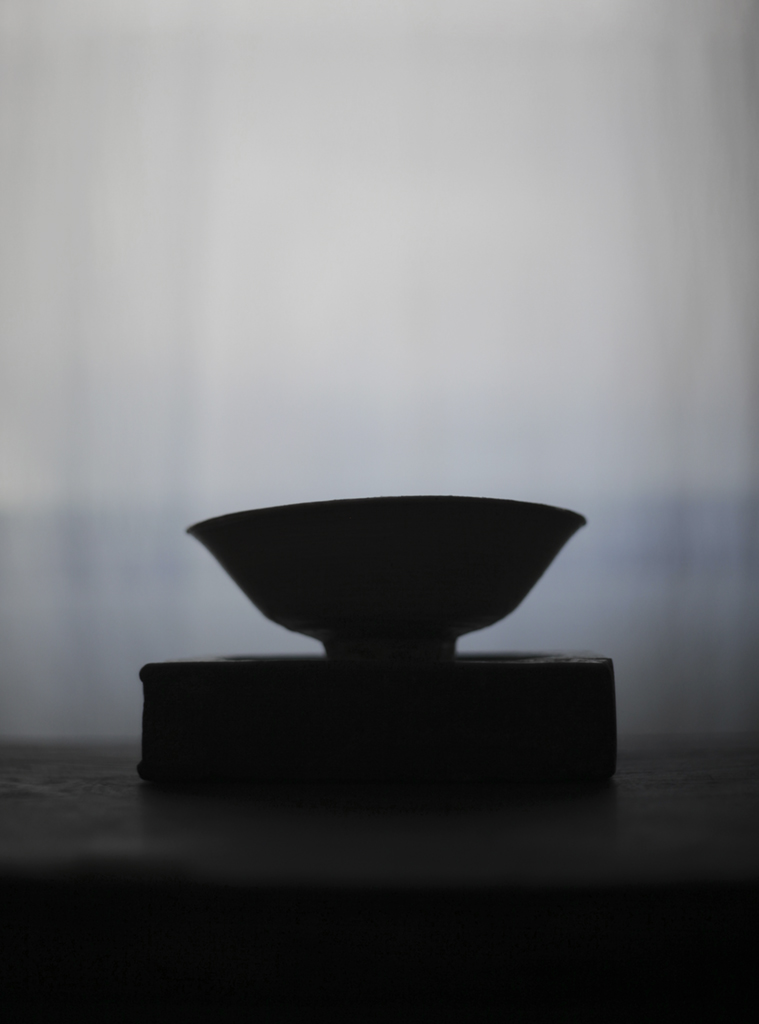
到了當代,我們希望能穿透茶碗的外衣和歷史,感受它們蘊含的靈魂本質,當一件茶碗來到我們手中,沉思著如何將它更親密地融入現在的日常生活,像是茶碗與山野植物、花道或冥想的結合,便跳脫了傳統的使用方式,在我們探索的過程中,帶給我們精神上更多層面的想像與靈感啟發。
------------------------------------------------------------
Taking A Closer Look
Joseon Dynasty and Japanese Chawan Exhibition
Exhibition Period
2025.01.06 Mon - 2025.01.30 Thur
Reservations only.
We also offer eco/organic tea experience on a donation basis.
Welcome your presence.
------------------------------------------------------------
Joseon Dynasty and Japanese Chawan Exhibition
Pottery making techniques were transferred to Korea from China before it arrived in Japan. Therefore, Korean pottery developed into diverse types. Joseon Dynasty chawan are one of the types of Korean pottery and were commonly used by the populace, such as Ido chawan, and they are known as maksabal, which means 'a bowl for everything' that represents the background of people's life authentically.
Joseon Dynasty chawan were made mainly for more practical use, and when they reached Japan, where the tea ceremony was prevalent, they were regarded as the highest expression of humility and imperfection of the spirit of the tea ceremony for its simplicity, inner beauty, purity and fortitude. Joseon Dynasty chawan include the following types: Kendo, Kumagawa, Shioji, Celadon, white porcelain, Mishima and more of the other types.
The techniques of Japanese ceramics production came from Korea. During the Edo period (1603-1868), when sencha was prevalent in Japan, there were chawan for matcha, sencha, mizu, and coarse teas. Different types of chawan were used according to the seasons, such as: Raku chawan, Hagi chawan, Karatsu chawan, Kyo chawan, Shino chawan, Bizen chawan, Oribe chawan and Seto chawan.
In the contemporary era, we are able to understand and perceive the essence of the spirit of chawan beyond the historical level, while penetrating their outer appearances. When a chawan comes into our hands, we may ponder how to merge it in our daily lives more intimately, like the combination of chawan with wild plants, ikebana or meditation, which is the alternative of the traditional ways of using chawan, and it brings us multidimenional imagination and inspiration during the process of our exploration and experiences.
------------------------------------------------------------