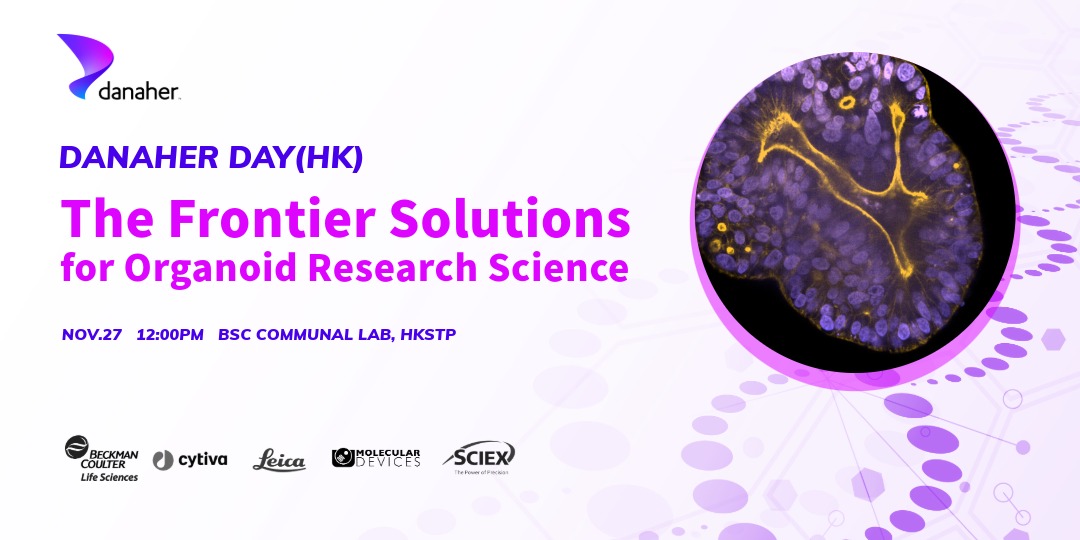
The Beauty and Challenge of Complexity
The concept of an “organ in a dish” began in 1907 when Henry Van Peters Wilson showed that dissociated sponge cells could reorganize into a complete organism. It took over 100 years before researchers successfully modeled human tissue using stem cells, leading to the rise of organoids—miniature versions of organs like the gut, brain, and liver.
Organoids are now used to study diseases such as cancer, cystic fibrosis, and Alzheimer's, and to test drug toxicity. Despite their accuracy—liver organoids can predict drug-induced liver injury with nearly 89% accuracy—creating usable organoids remains complex and labor-intensive, often requiring specialized expertise. Advances in artificial intelligence are helping, but data generation remains a key bottleneck.
【 AGENDA】
| Time | Topic | Speaker |
| 12:00-12:15 | Registration | |
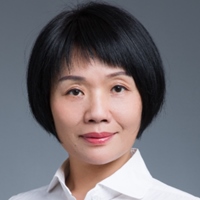
| 12:15-12:45 | Keynote speech: Organoid Technology, A Game Changer for Biomedical Advances | Professor Jane Zhou Dept. of Microbiology, The Univiersity of Hong Kong |
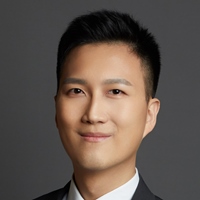
| 12:45-13:00 | Automated AI-based Organoid Cultured Platform The future of cell culture backed by machine learning and data-driven science. | Tim Tsui Molecular Devices |
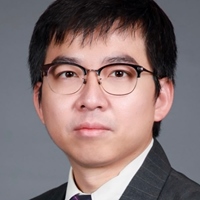
| 13:00-13:15 | Organoid imaging Premiere: Lightsheet Imager Specialize for Live Organoid | Bob Tang Leica Microsystem |
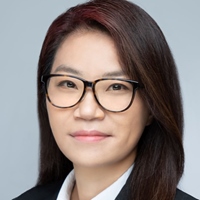
| 13:15-13:30 | Achieving High Cell Yield and Viability with Cytiva VIA Extractor Tissue Disaggregator | Jikun Li Cytiva |
| 13:30-13:45 | From Tissue to Technology: A Comprehensive Workflow for Organoid Culture and Omics Integration |
Beckman Coulter |
| 13:45-14:00 | How LC techniques Apply in Organoid Research and Applications | Moses Tse Sciex |
| 14:00 | Networking |
* LUNCH Included