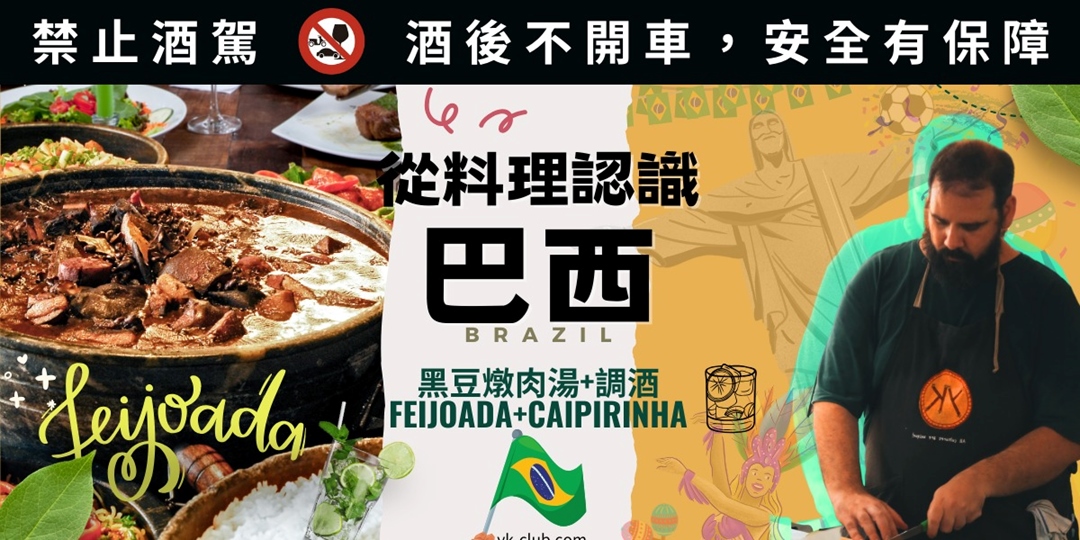

「禁止酒駕,酒後不開車 安全有保障」、「未滿18歲請勿飲酒」
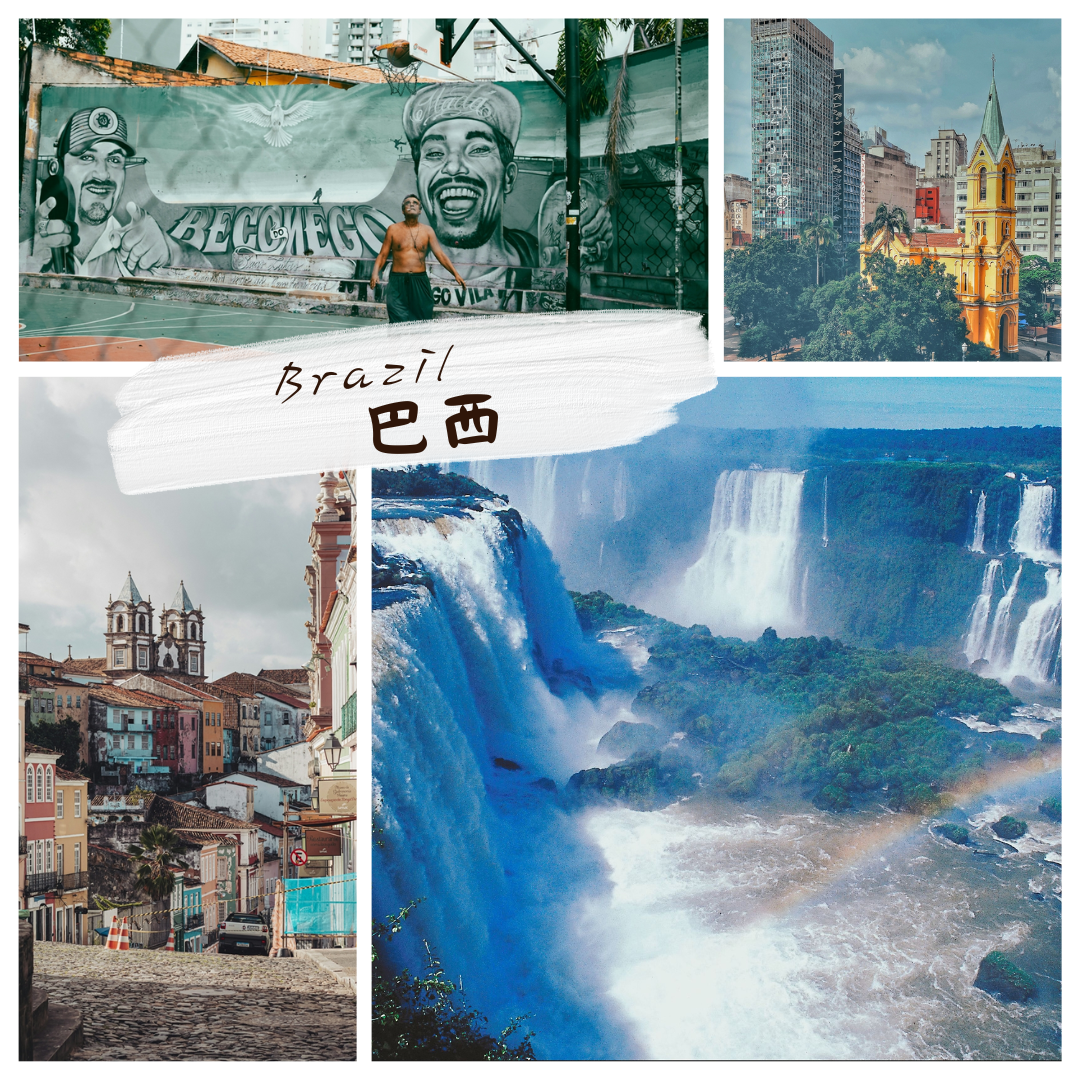
ABOUT Brazil
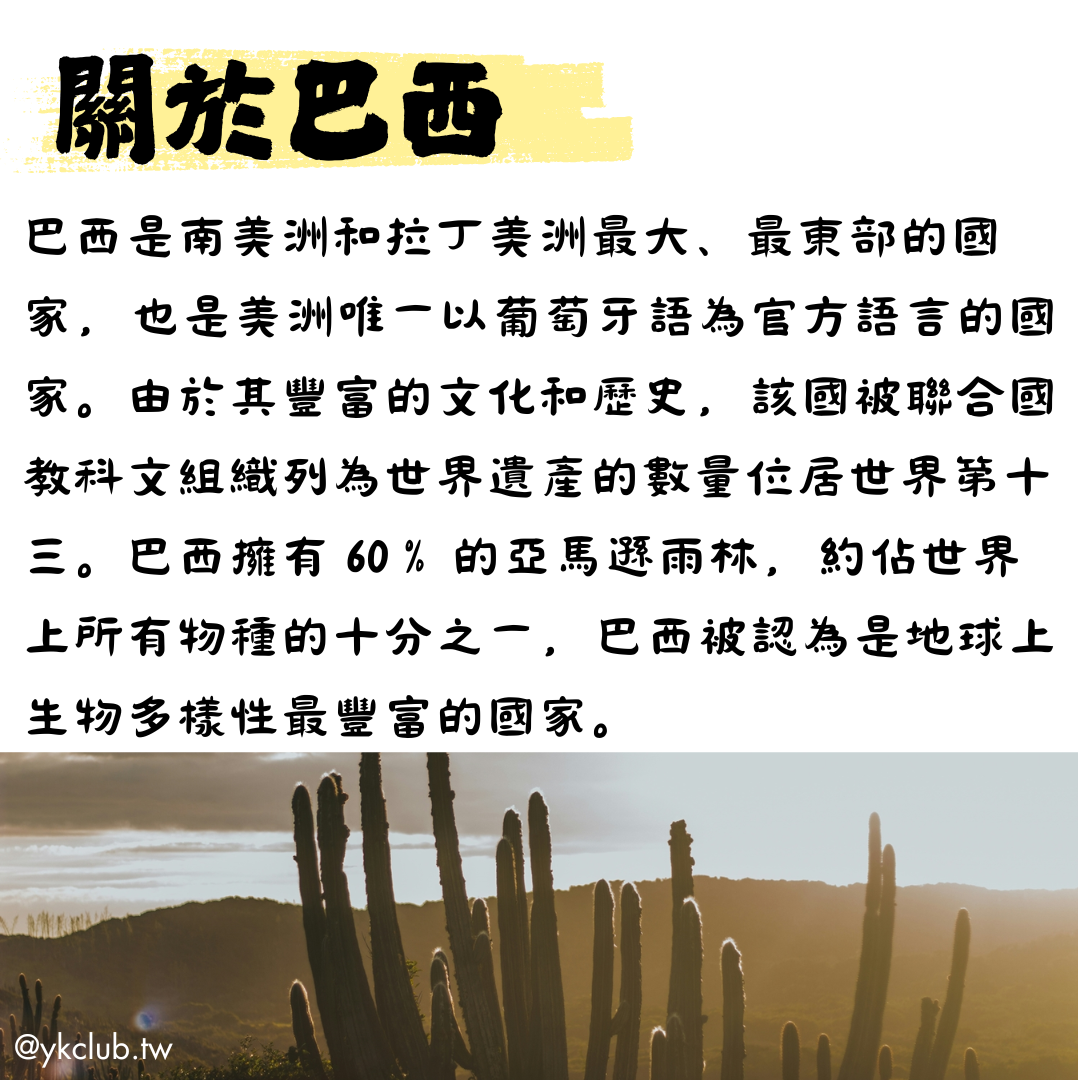
Brazil is the largest and easternmost country in South America and Latin America. It is also the only country in the Americas where Portuguese is the official language. Due to its rich culture and history, Brazil ranks thirteenth in the world for the number of UNESCO World Heritage Sites. Brazil has 60% of the Amazon rainforest and about one-tenth of all species in the world. It is considered one of the most biodiverse countries on Earth.
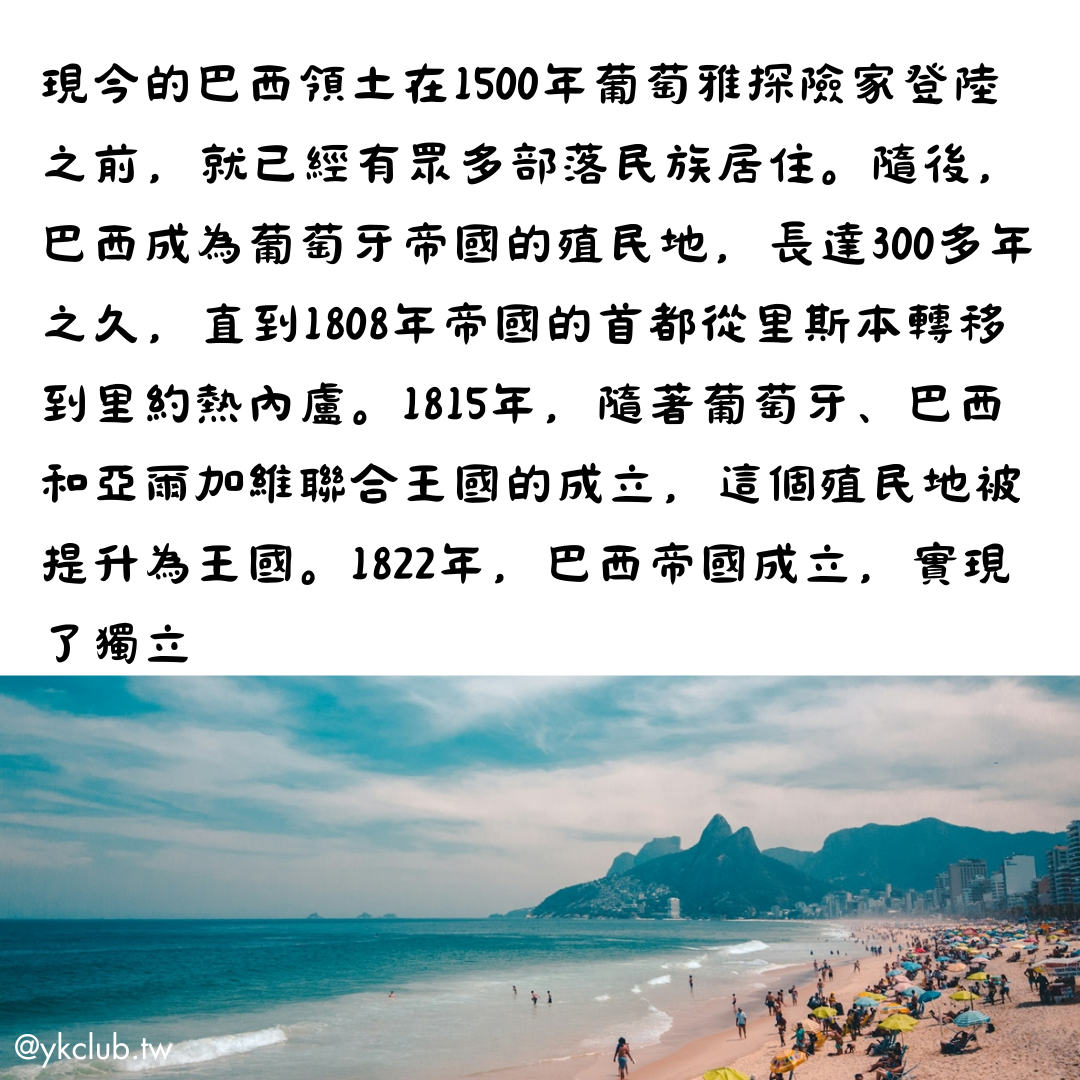
Before the Portuguese explorer landed in 1500, many tribal nations already lived in the land that is now Brazil. Later, Brazil became a colony of the Portuguese Empire for over 300 years until 1808 when the capital was moved from Lisbon to Rio de Janeiro. In 1815, with the formation of the United Kingdom of Portugal, Brazil, and the Algarves, the colony was upgraded to a kingdom. In 1822, the Empire of Brazil was established, and independence was achieved
ABOUT Feijoad
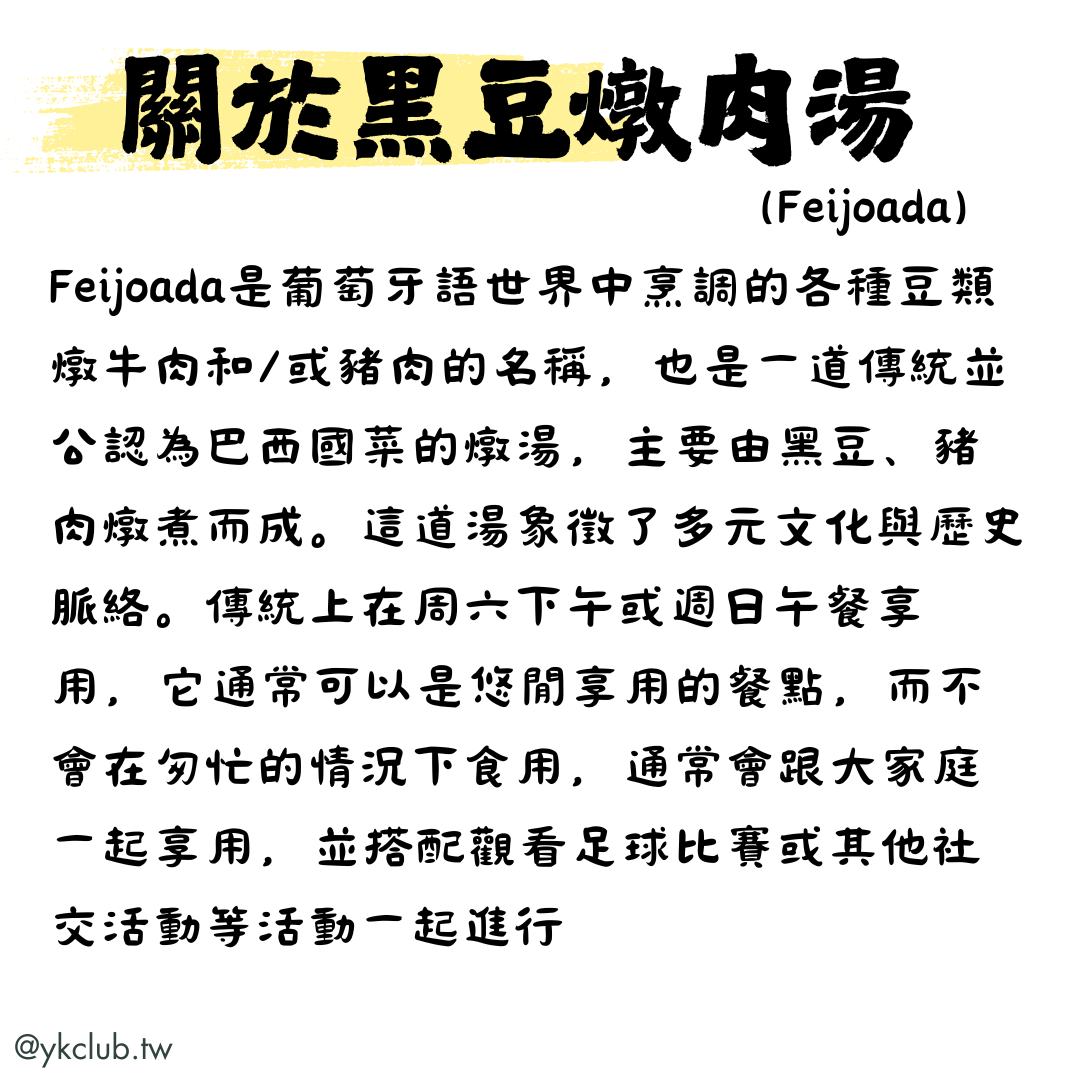
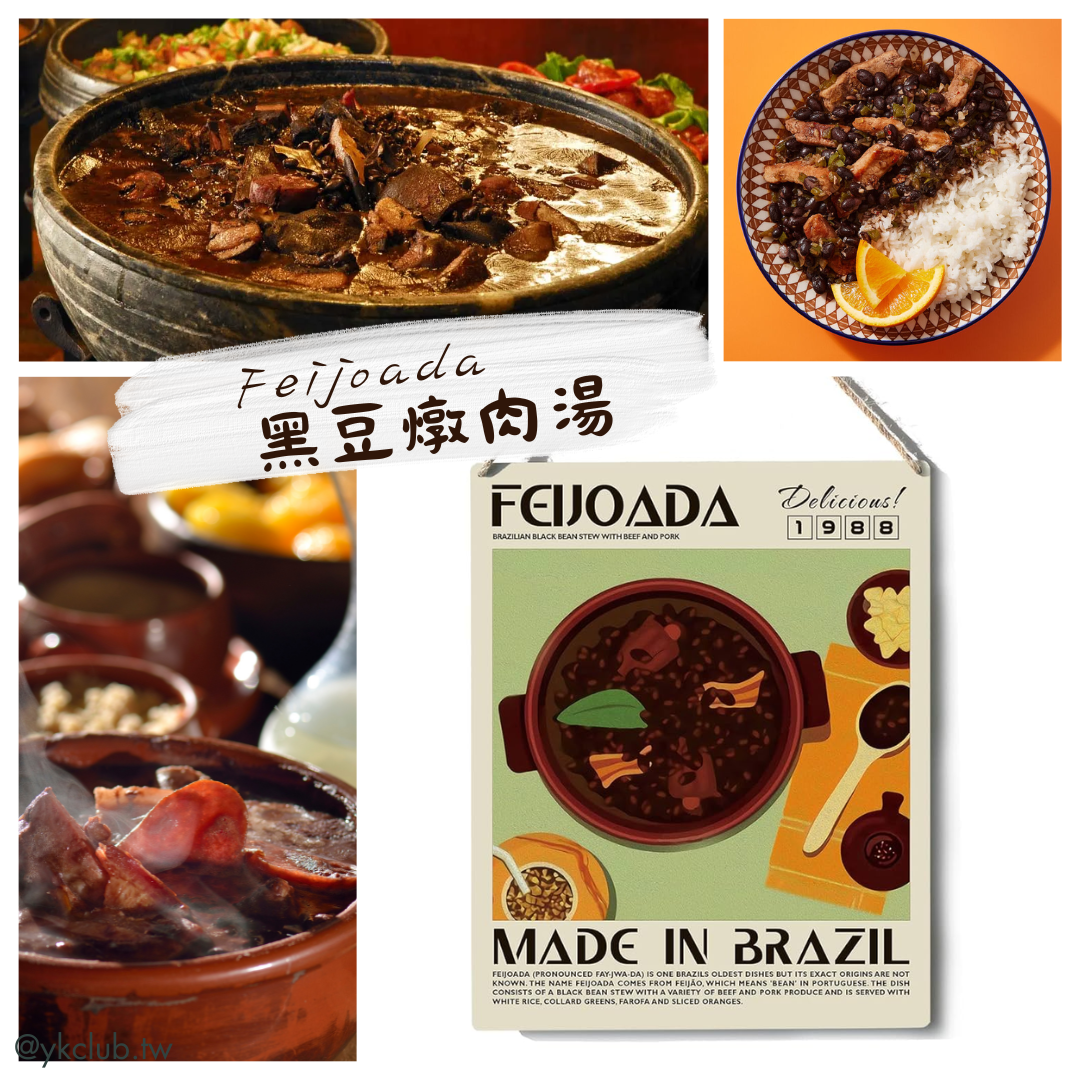
Feijoada is a name used in the Portuguese-speaking world for various stews made with beans and beef and/or pork. It is also a traditional and widely recognized national dish of Brazil, primarily made with black beans and pork. This stew symbolizes multiculturalism and historical context. Traditionally enjoyed on Saturday afternoons or Sunday lunches, it is meant to be a leisurely meal rather than a rushed one. It is typically shared with extended family and often accompanied by watching a football match or other social activities.
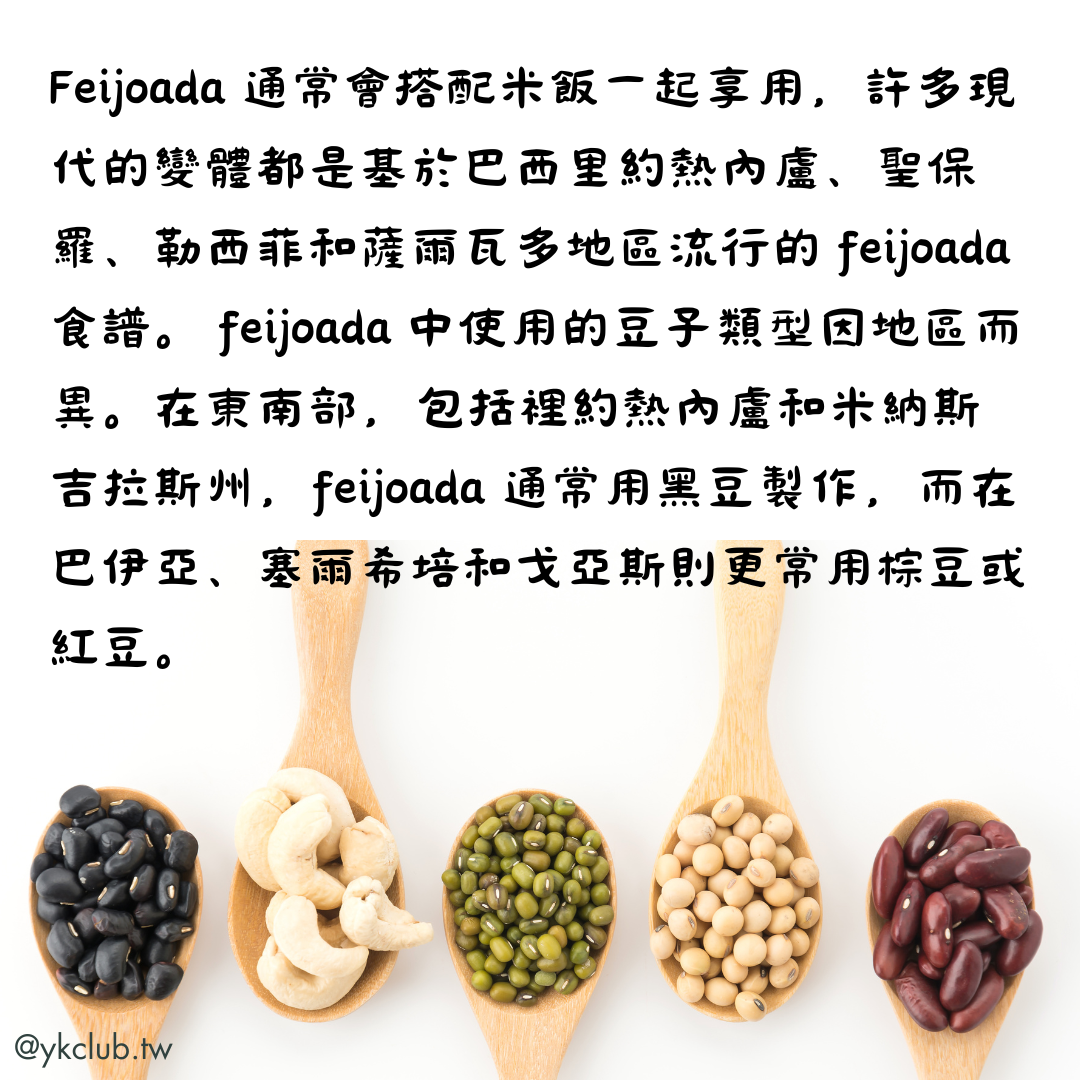
Feijoada is usually served with rice. Many modern versions are based on recipes from Rio de Janeiro, São Paulo, Recife, and Salvador. The type of beans used in feijoada varies by region. In the southeast, including Rio de Janeiro and Minas Gerais, feijoada is typically made with black beans, while in Bahia, Sergipe, and Goiás, brown or red beans are more common.
ABOUT Caipirinha
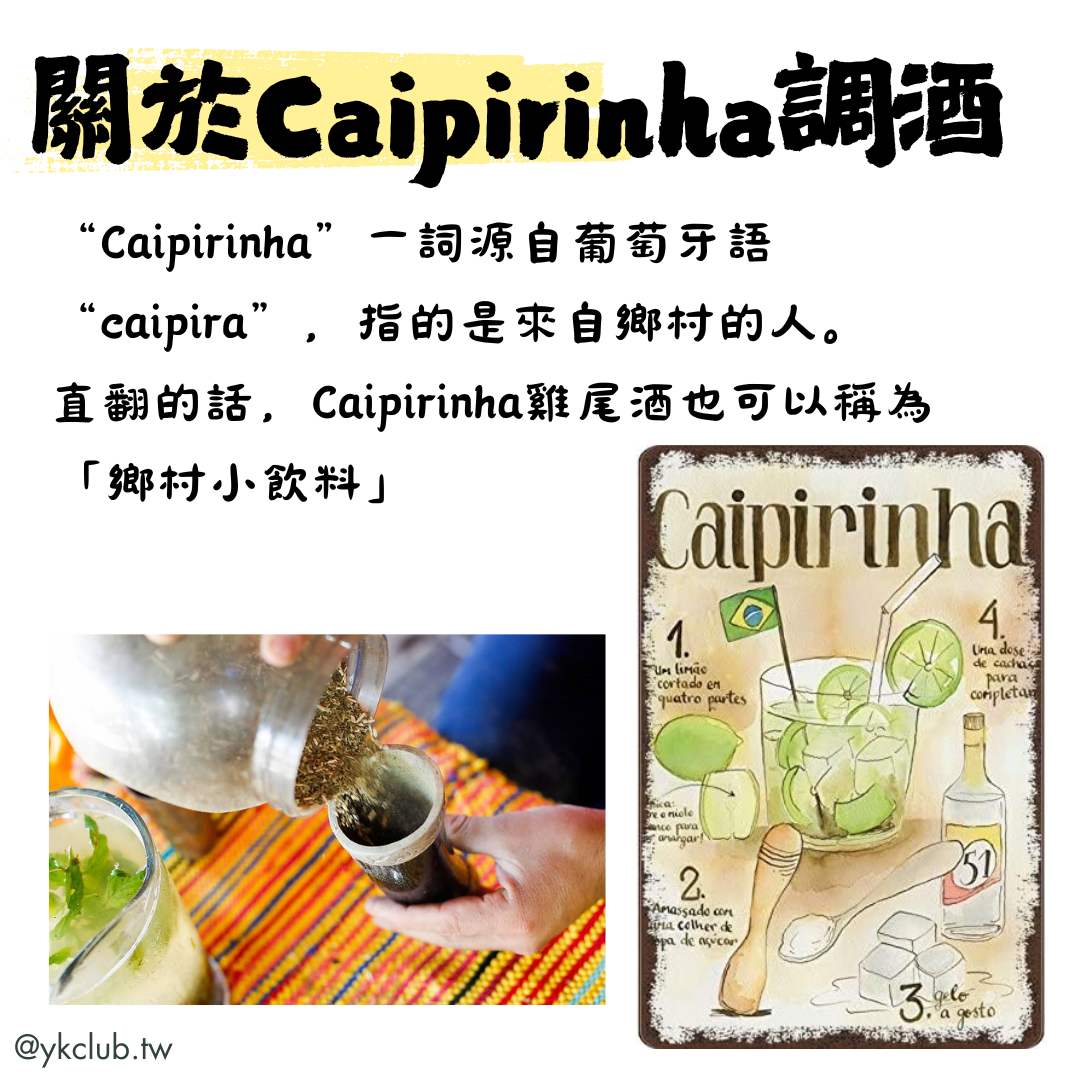
The word “Caipirinha” comes from the Portuguese word “caipira,” which means someone from the countryside. So, the Caipirinha cocktail can be translated as “little country drink.”
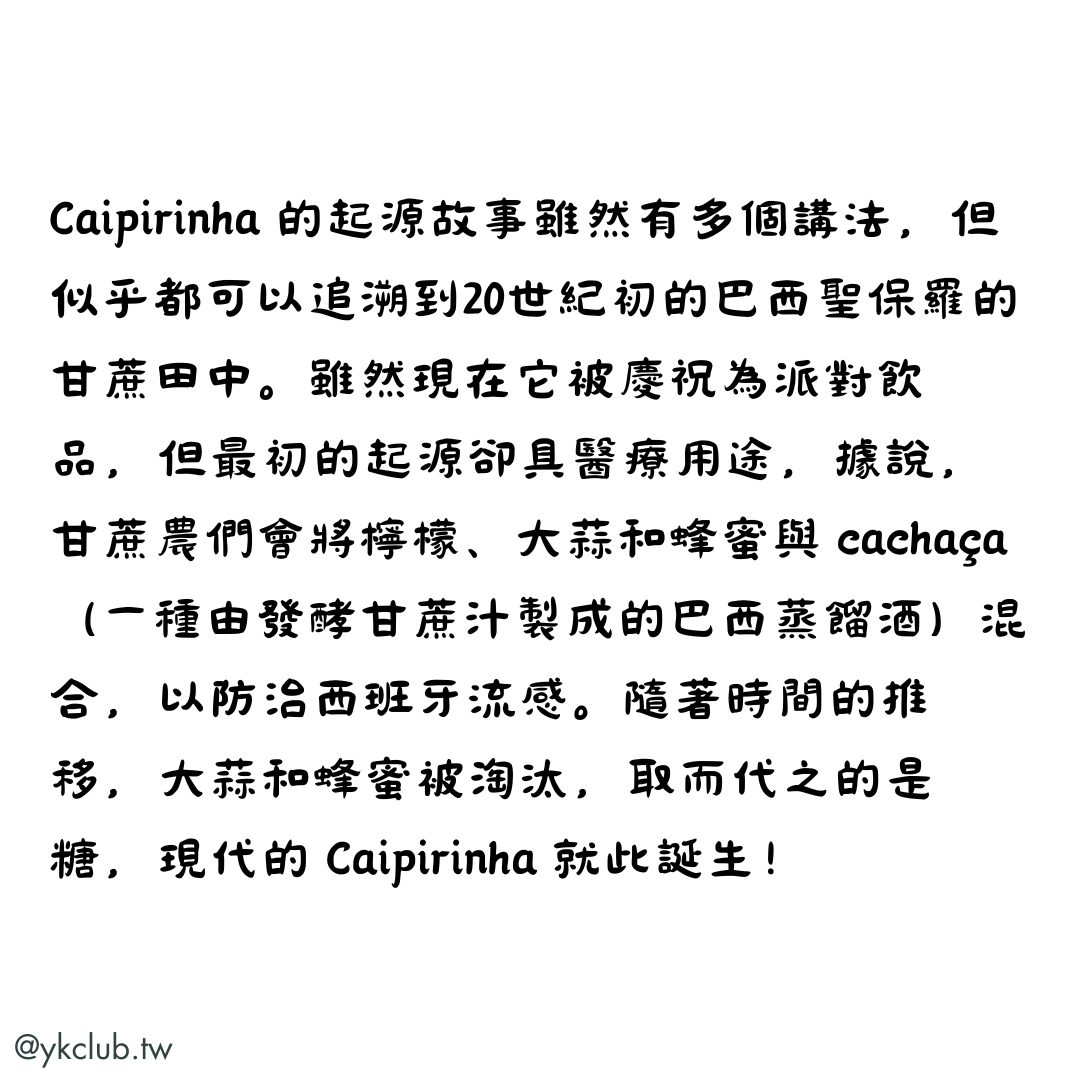
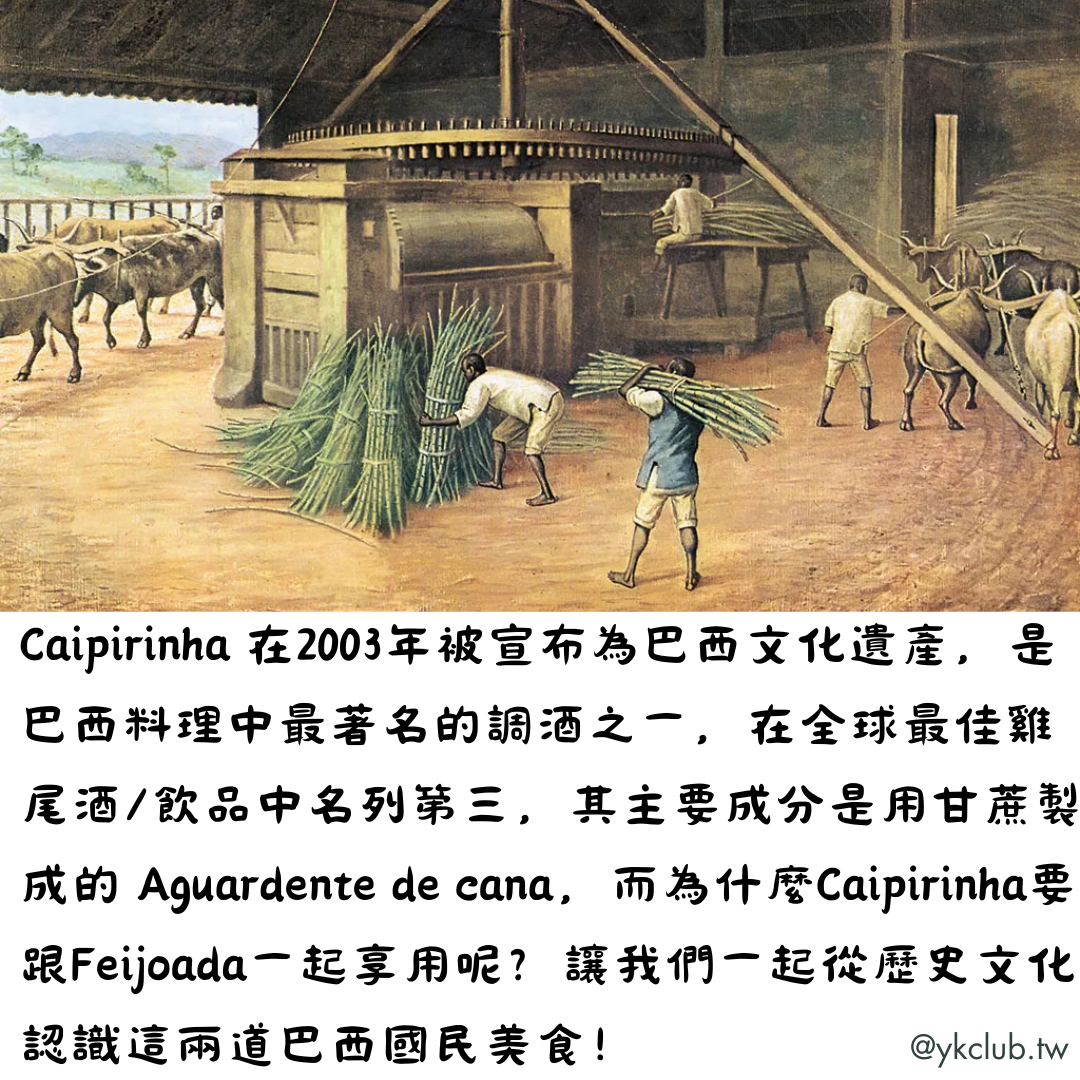
The story of Caipirinha’s origin has many versions, but they all seem to go back to the early 20th century in the sugarcane fields of São Paulo, Brazil. Although it is now celebrated as a party drink, it originally had medicinal uses. It is said that sugarcane farmers would mix lime, garlic, and honey with cachaça (a Brazilian spirit made from fermented sugarcane juice) to fight the Spanish flu. Over time, garlic and honey were replaced by sugar, and the modern Caipirinha was born!
In 2003, the Caipirinha was declared a cultural heritage of Brazil. It is one of the most famous cocktails in Brazilian cuisine and is ranked third among the best cocktails/drinks in the world. Its main ingredient is Aguardente de cana, made from sugarcane. So why is Caipirinha often served with Feijoada? Let’s explore these two Brazilian national dishes through their history and culture!
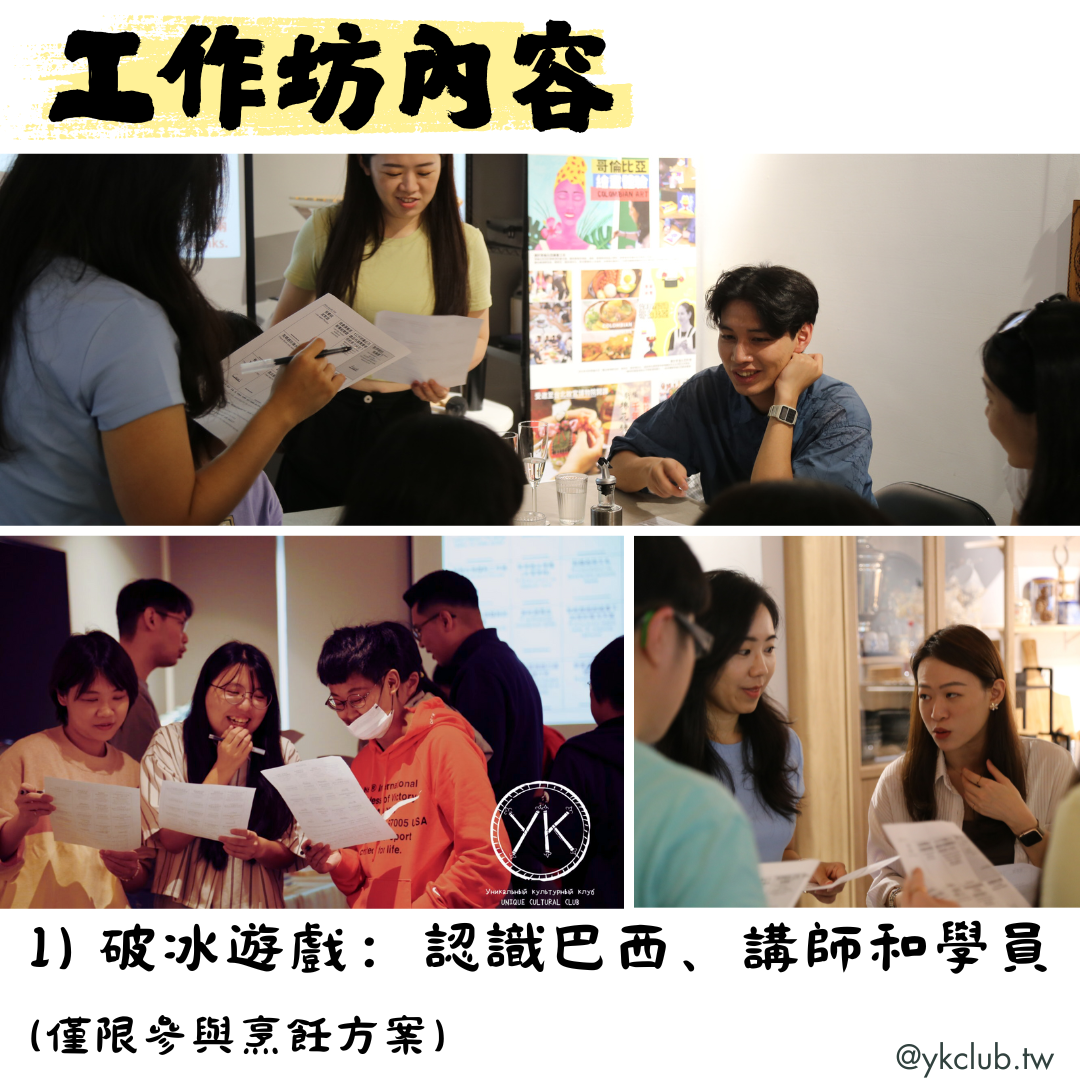
1) Meet Brazil, the instructor, and participants: Icebreaker games (For participants in the cooking session only)
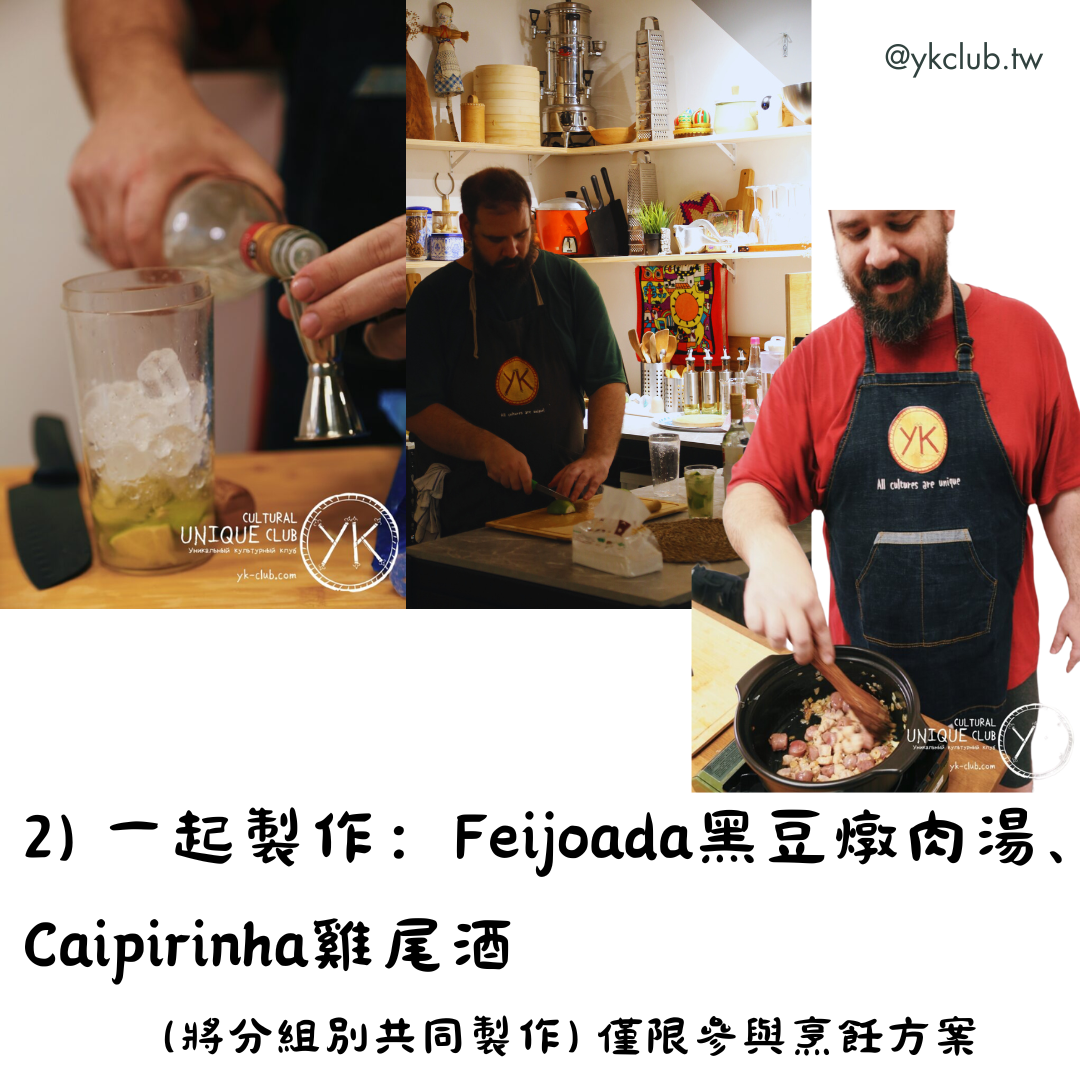
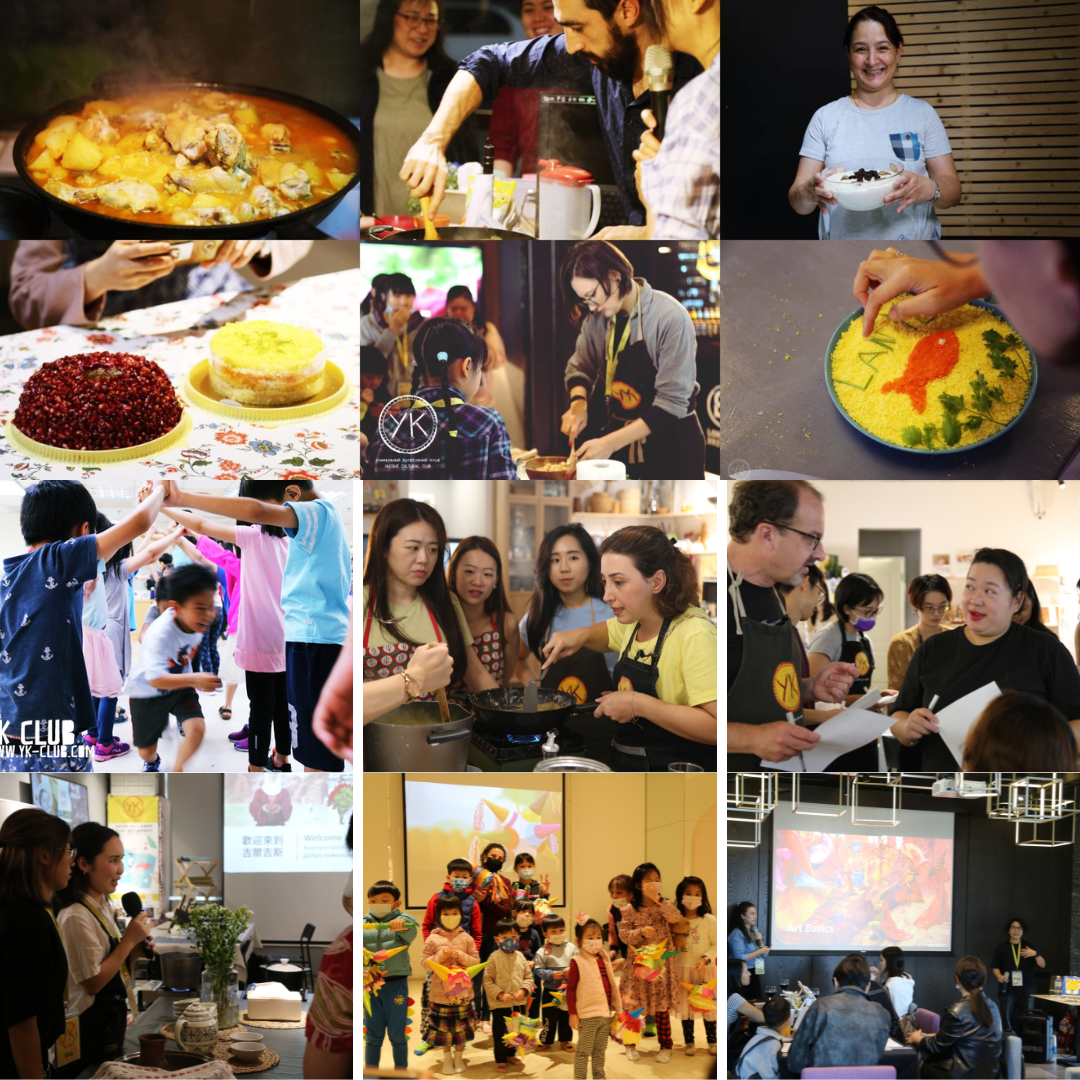
2) Hands-on preparation of Feijoada black bean stew and Caipirinha cocktails (group work) (For participants in the cooking session only)
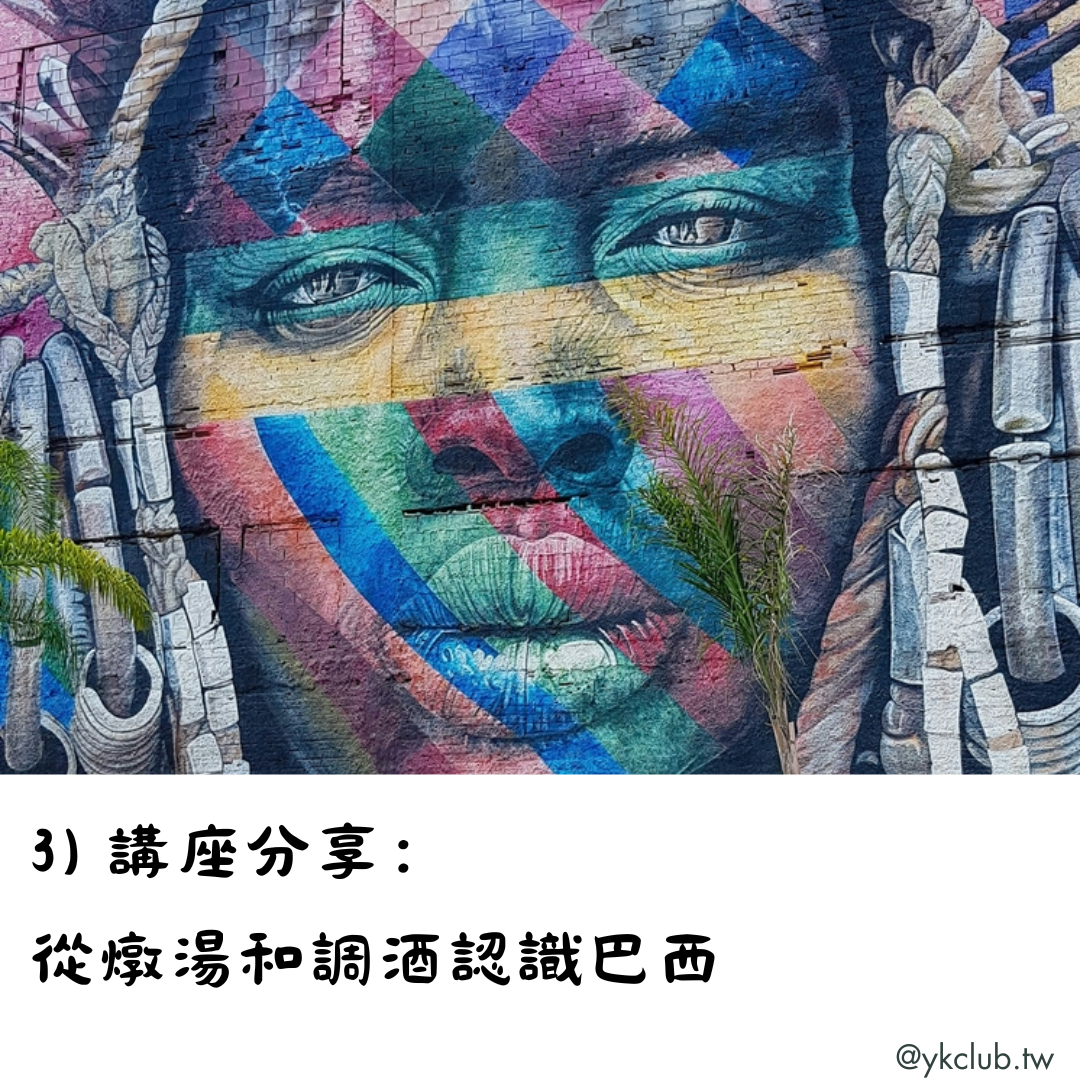
3) Lecture: Discover Brazil through the stew

品嚐美食 Tasting
享用Feijoada黑豆燉肉湯和Caipirinha雞尾酒
(圖片僅供參考,以學員烹飪結果為主)
- (黑豆將使用花豆或紅豆取代)
Enjoy Feijoada black bean stew and Caipirinha cocktails
(Images for reference only; actual results may vary based on participants' cooking)
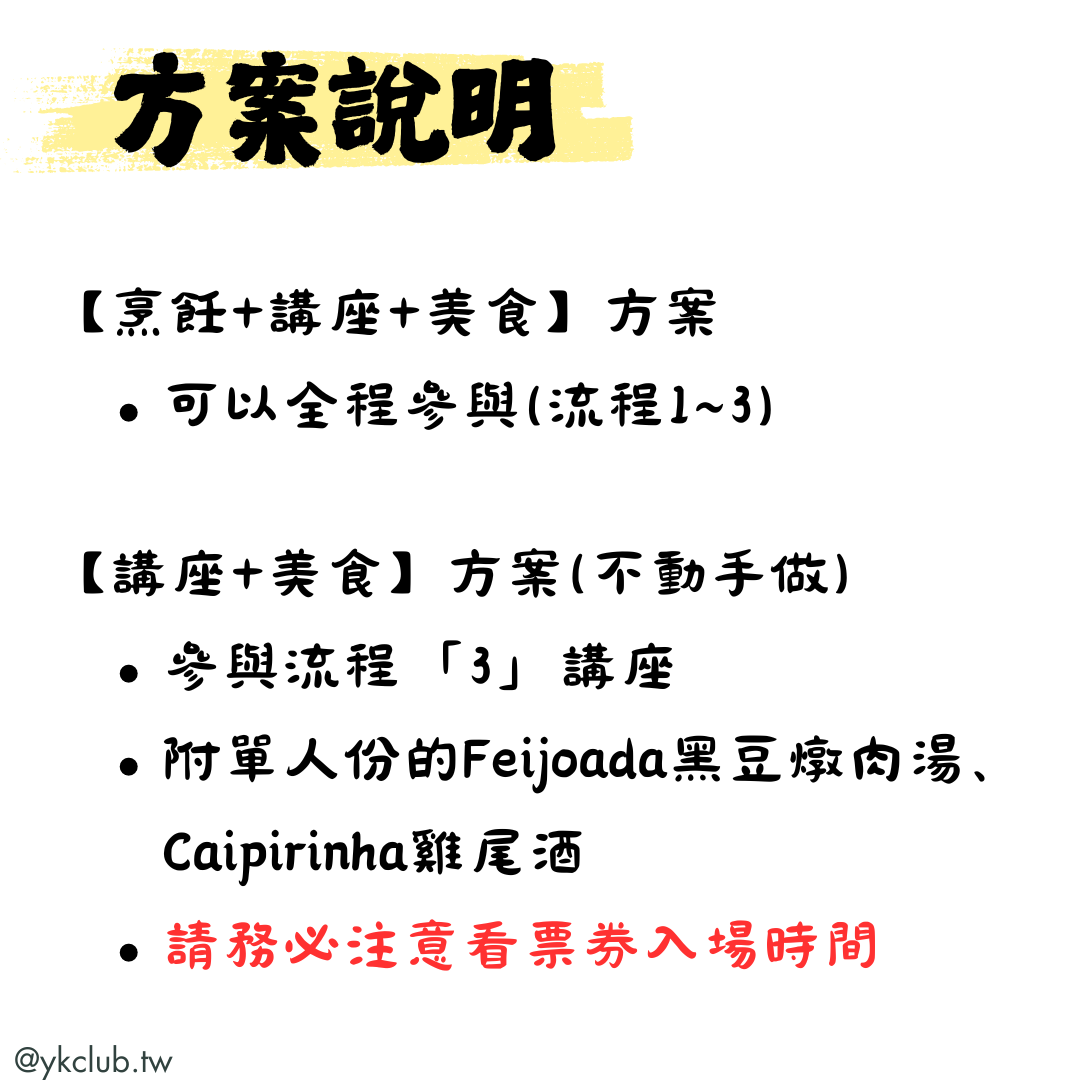
注意:時間請參考票券內容
- (黑豆將使用花豆或紅豆取代)
Feijoada黑豆燉肉湯:黑豆(黑豆將使用花豆或紅豆取代)、 大蒜、 洋蔥、豬肉、香腸、油、鹽
Feijoada black bean stew: Black beans, garlic, onion, pork, sausage, oil, salt
Caipirinha雞尾酒:檸檬、糖、進口Cachaça(巴西酒底)
Caipirinha cocktail: Lime, sugar, imported Cachaça
————————
※活動將以英文進行,中文輔助翻譯
※The event will be conducted in English with Chinese translation available.
18歲以上
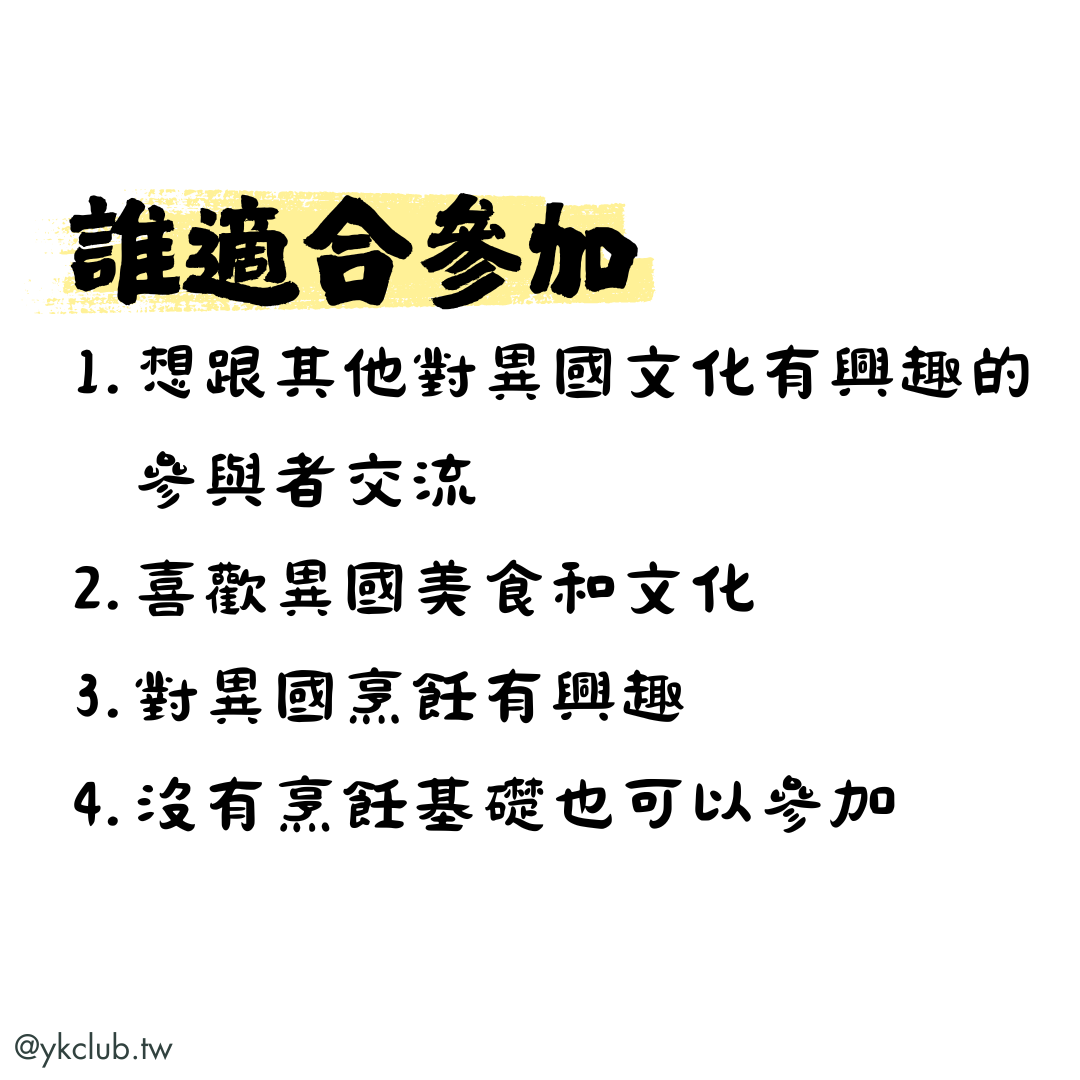
WHO IS THIS WORKSHOP SUITABLE FOR
- Those who enjoy international cuisine and culture
- Those who are interested in international cooking
- Anyone can join, even without any cooking experience
企業合作&包場
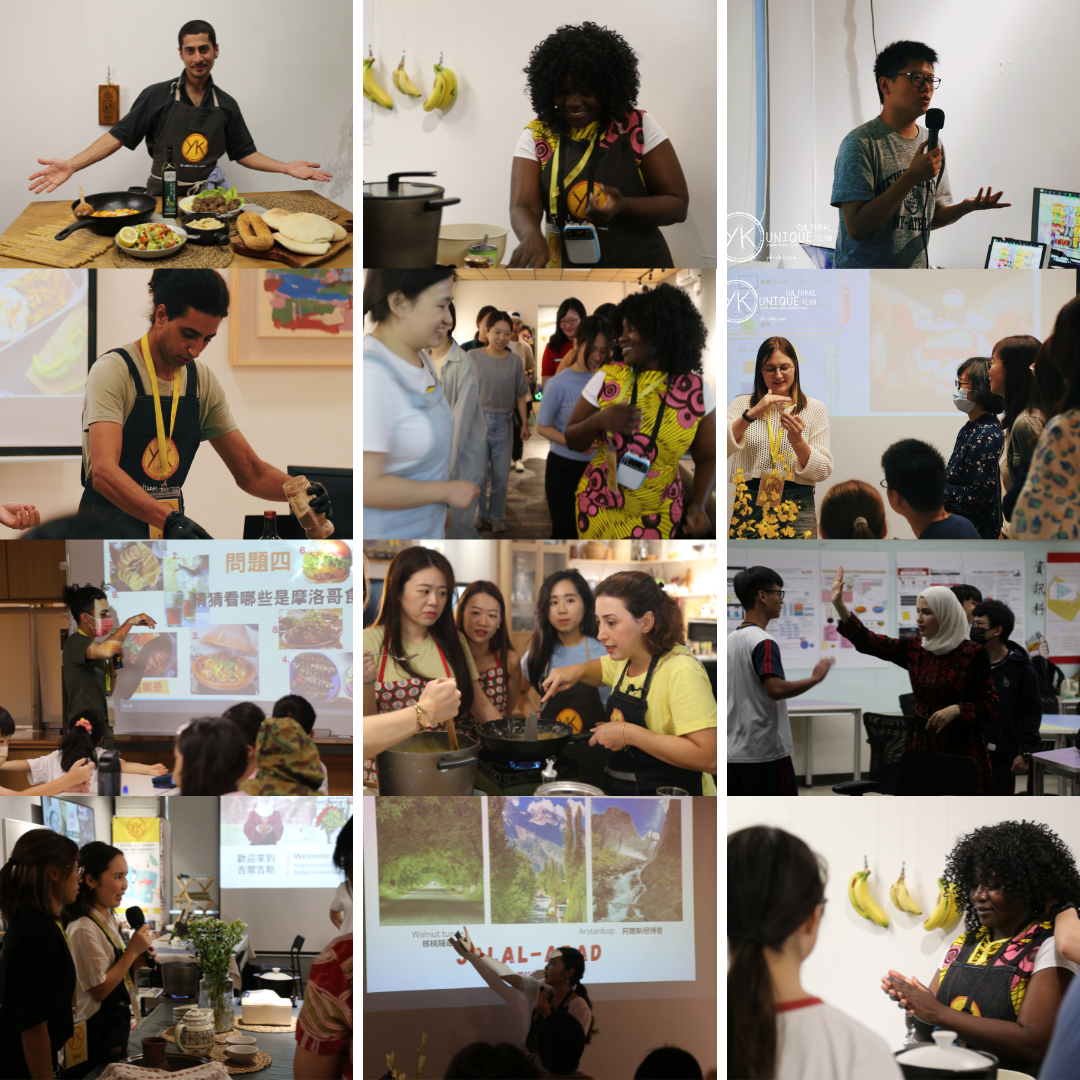
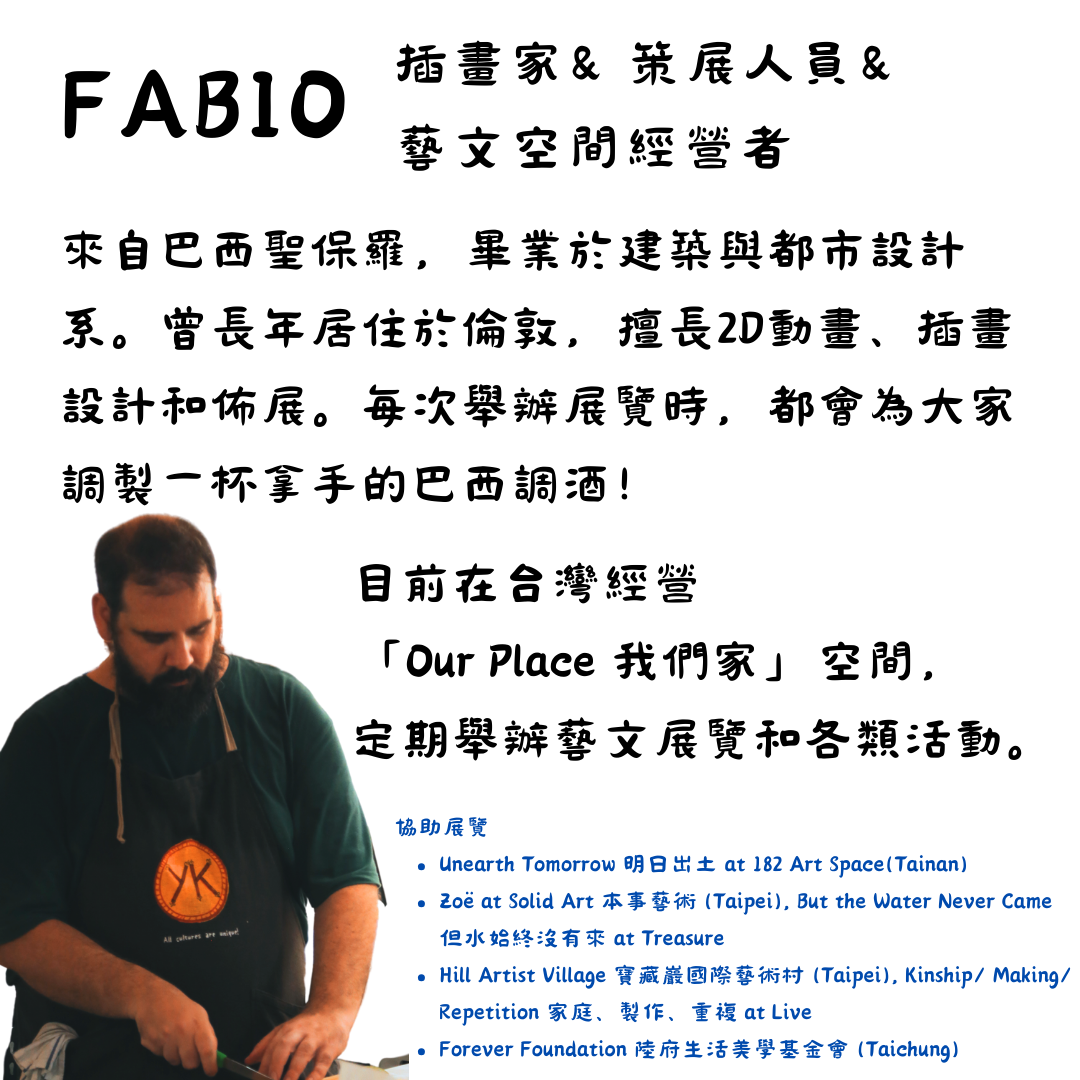
本活動由YK CLUB團隊與講師共同企劃,共有活動智慧財產權,如希望包場或至企業組織開課請與主辦單位聯絡。
體驗製作和專業料理課程的差別:
體驗製作活動著重於「與當地人或主講者的交流」,以及「大家一起準備餐桌的氛圍」。
就像和當地人一起在家中準備當天的晚餐一樣,每個人會分工準備,但我們並「不特別強調料理的學習」。
這與專業料理課程有所不同,專業課程更注重教導料理的製作技巧。如果您對學習如何製作異國料理有興趣,我們也有其他的料理課程供您選擇,或者您也可以隨時與我們聯絡!
What’s the difference between “Hands-on Experience” and a “Professional Cooking Class”?
In our hands-on experience events, the focus is on “interacting with local people or instructors” and creating a warm atmosphere of “preparing the table together.”
It’s similar to preparing a dinner with locals in their homes, where each person has different tasks, but we “do not specifically emphasize learning cooking skills.”
This is different from a professional cooking class, which places more emphasis on teaching the techniques of cooking. If you are interested in learning how to cook international cuisine, we have other cooking classes available for you to choose from, or you can always contact us anytime!”

場地狀況說明 Venue condition
體驗製作活動主要著重於讓參與者深入體驗當地文化,品嚐特色的異國美食。因此,現場並沒有像專業料理課程那樣的專業廚房,還請見諒。
The experiential cooking activity focuses primarily on providing participants with an immersive experience of local culture and the taste of unique international cuisines. Therefore, please understand that the venue does not have a professional kitchen like in a culinary course.
閱讀:為什麼我們要舉辦活動?