關於伊朗ABOUT IRAN


伊朗擁有深厚的歷史文化底蘊,是一個充滿魅力和吸引力的國家。其豐富的文化遺產包括27處聯合國教科文組織世界遺產。伊朗位於西亞和中東地區,北接亞美尼亞、亞塞拜然等多國,西與土耳其及伊拉克接壤,南濱波斯灣和阿曼灣,東鄰巴基斯坦及阿富汗。伊朗的人類活動可追溯至舊石器時代,自公元前四千年以來,這片土地見證了多個輝煌的時代,包括瑪代王國、阿契美尼德帝國和薩珊王朝。
伊朗是一個多民族國家,主要語言是波斯語,但也通行阿塞拜疆土耳其語、庫爾德語和阿拉伯語等多種語言。伊朗的藝術和文學成就豐富,如波斯詩歌和文學作品在世界文學史上占有重要地位。獨特的飲食文化,包括米飯、肉類和蔬菜的多樣菜餚,也為伊朗增添了吸引力。
Iran boasts a profound historical and cultural heritage, making it a country full of charm and appeal. Its rich cultural legacy includes 27 UNESCO World Heritage sites. Located in West Asia and the Middle East, Iran borders Armenia, Azerbaijan, and other countries to the north, Turkey and Iraq to the west, the Persian Gulf and the Gulf of Oman to the south, and Pakistan and Afghanistan to the east. Human activity in Iran dates back to the Paleolithic era, and since the 4th millennium BCE, the land has witnessed numerous illustrious periods, including the Median Kingdom, the Achaemenid Empire, and the Sassanian Empire.
Iran is a multi-ethnic country where Persian is the primary language, but Azerbaijani Turkish, Kurdish, Arabic, and several other languages are also spoken. Iran's artistic and literary achievements are significant, with Persian poetry and literature holding a vital place in world literary history. Its unique culinary culture, featuring a variety of dishes based on rice, meat, and vegetables, further enhances Iran's appeal.
關於哈爾瓦酥糖糕(HALVA) | ABOUT PERSIAN HALVA

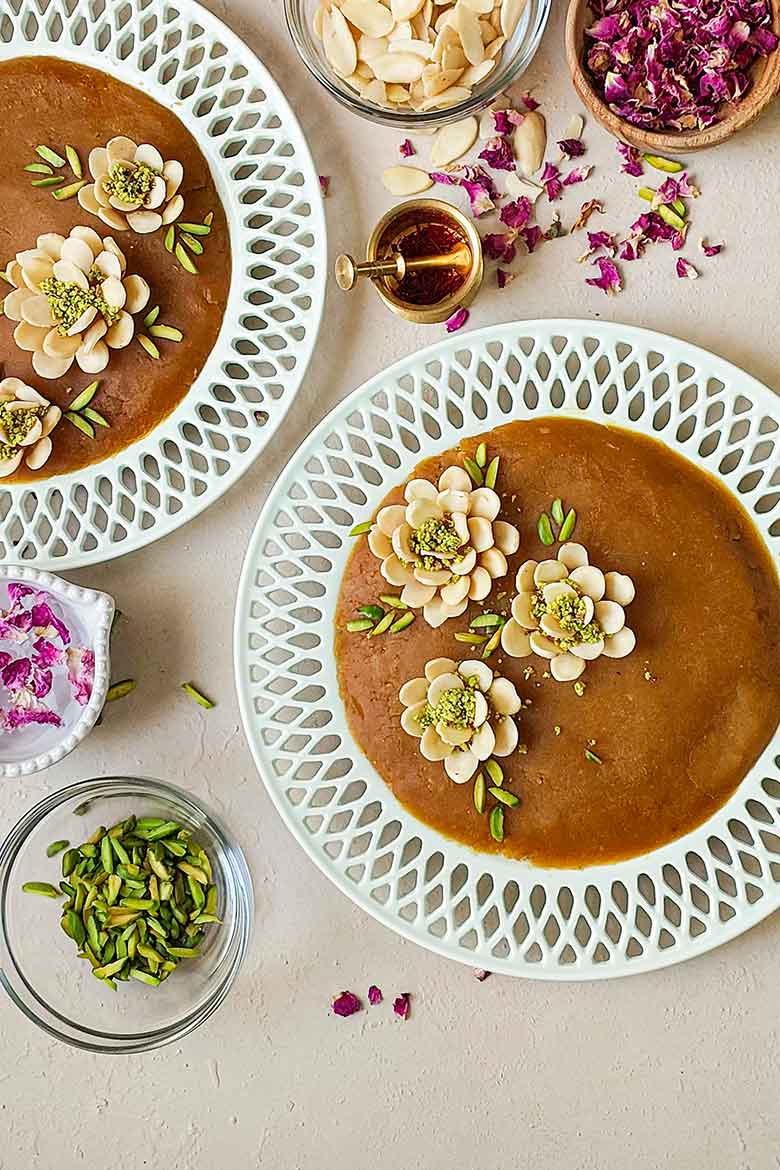
哈爾瓦(حلوا)是一道起源於伊朗(波斯)的甜點,並廣泛傳播到中東和南亞地區,在阿塞拜疆、希臘、印度、緬甸和土耳其等許多國家都有其蹤影。哈爾瓦一詞起源於波斯(現代伊朗),首次出現於七世紀,最初指的是棗泥與牛奶的混合物。到了九世紀,這個詞被用來描述多種糖果,包括我們現在熟知的加糖煮熟的粗麵粉或麵粉糊。
許多早期的波斯食譜都記錄在13世紀的阿拉伯書籍《菜餚之書》(Kitab al-Tabikh)以及13世紀安達盧斯的一本匿名食譜中。哈爾瓦被奧斯曼土耳其人採用,包括基於芝麻的版本,並傳播到整個帝國。
在伊朗,根據所用原料的種類和烹調的地理位置不同,哈爾瓦有多種口味和形狀,像是Angupich halva、Umaj halva、Zardak halva、Shahdaneh halva等。最常見的哈爾瓦由麵粉和油製成,並用藏紅花和玫瑰水調味,呈黃色、棕色或深棕色,通常在婚禮慶典、宗教儀式和葬禮上供應。
Halva (حلوا) is a dessert that originated in Iran (Persia) and has spread widely to the Middle East and South Asia, with its presence in many countries such as Azerbaijan, Greece, India, Myanmar, and Turkey…etc. The term "halva" originated in Persia (modern-day Iran) and first appeared in the 7th century, initially referring to a mixture of dates and milk. By the 9th century, this term was used to describe various confections, including the sweetened, cooked semolina or flour paste we know today.
Many early Persian recipes are recorded in the 13th-century Arabic book Kitab al-Tabikh (The Book of Dishes) and a 13th-century anonymous Andalusian cookbook. Halva was adopted by the Ottoman Turks, who developed sesame-based versions and spread it throughout the empire.
In Iran, depending on the ingredients used and the region where it is prepared, halva comes in various flavors and shapes, such as Angupich halva, Umaj halva, Zardak halva, and Shahdaneh halva. The most common type is made from flour and oil, flavored with saffron and rose water, and appears yellow, brown, or dark brown. It is typically served at weddings, religious ceremonies, and funerals.
關於哈爾瓦酥糖糕(HALVA) | ABOUT PERSIAN HALVA
:max_bytes(150000):strip_icc():format(webp)/20231204-SEA-Sholeh-Zard-NaderMehravari-10-abd9d78371a8455ca38e841a7195240b.jpg)

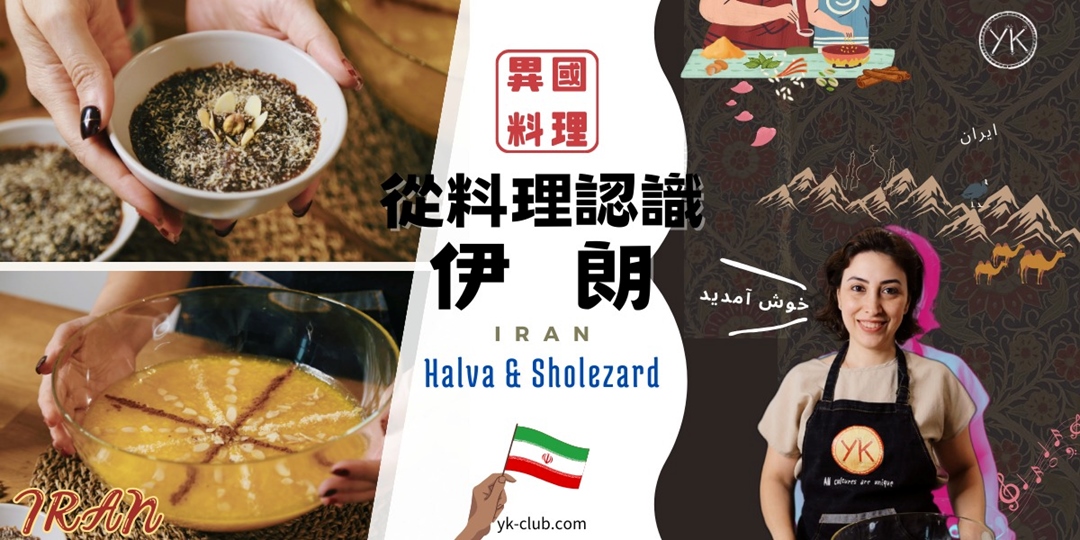
Sholezard(شله زرد)是一種傳統的伊朗甜點,有著數百年的歷史。這款美味的甜點最初只在像波斯新年諾魯孜節這樣的特殊場合供應。它那獨特的亮黃色來自於藏紅花這個主要成分。藏紅花、小荳蔻和玫瑰水被稱為波斯風味的神聖三部曲,賦予Sholezard獨特的波斯風味,使其與其他米布丁區別開來。現在,Sholezard也在齋戒月期間的開齋餐中或一般慶祝場合享用
Sholezard (شله زرد) is a traditional Iranian dessert with a history spanning several centuries. This delicious treat was initially served only on special occasions, such as the Persian New Year, Nowruz. Its distinctive bright yellow color comes from saffron, its main ingredient. Saffron, cardamom, and rose water are known as the holy trinity of Persian flavors, giving Sholezard its unique Persian taste and setting it apart from other rice puddings. Nowadays, Sholezard is also enjoyed during iftar, the meal to break the fast during Ramadan.
工作坊內容

1) 一起製作:Halva哈爾瓦酥糖、Sholezard藏紅花米布丁
(將分組別共同製作)
Cook together:Halva,Sholezard
(Work together in groups)

2) 認識伊朗和甜點文化 (簡報分享)
Learn about Iran and its dessert culture(Presentation)

3) 品嚐美食 Tasting
Halva哈爾瓦酥糖、Sholezard藏紅花米布丁
(圖片僅供參考,以學員烹飪結果為主)
Halva,Sholezard
(Images for reference only; actual results may vary based on participants' cooking)
————————
【方案二】講座+吃美食(時間請參考票券內容)
不動手做
- 附單人份的Halva哈爾瓦酥糖、Sholezard藏紅花米布丁
- Includes single servings of Halva,Sholezard
14:30-15:10 [Option: Presentation + Food]
- Includes a serving of Halva,Sholezard
- Halva哈爾瓦酥糖食材:
糖、水、麵粉、植物油、綠豆蔻粉、進口玫瑰水、肉桂粉、椰子粉、杏仁果、開心果(片狀)
Halva Ingredients:
sugar, water, flour, vegetable oil, green cardamom powder, imported rose water, cinnamon powder, coconut powder, almonds, and pistachio slices. - Sholezard藏紅花米布丁食材:
米、進口藏紅花、水、糖、進口玫瑰水、小豆蔻粉、杏仁片、肉桂、椰子粉
Sholezard Ingredients:
rice, imported saffron, water, sugar, imported rose water, cardamom powder, almond slices, cinnamon, and coconut powder.
————————
※活動將以英文進行,中文輔助翻譯
※The event will be conducted in English with Chinese translation available.
誰適合參加? WHO IS THIS WORKSHOP SUITABLE FOR
- 喜歡異國美食和文化
Those who enjoy international cuisine and culture - 對異國烹飪有興趣
Those who are interested in international cooking - 沒有烹飪基礎也可以參加
Anyone can join, even without any cooking experience - 12歲以下需有家長陪同(請選擇親子票券)
Children under 12 must be accompanied by a parent (please select 2 tickets).
體驗製作和專業料理課程的差別:
體驗製作活動著重於「與當地人或主講者的交流」,以及「大家一起準備餐桌的氛圍」。
就像和當地人一起在家中準備當天的晚餐一樣,每個人會分工準備,但我們並「不特別強調料理的學習」。
這與專業料理課程有所不同,專業課程更注重教導料理的製作技巧。如果您對學習如何製作異國料理有興趣,我們也有其他的料理課程供您選擇,或者您也可以隨時與我們聯絡!
What’s the difference between “Hands-on Experience” and a “Professional Cooking Class”?
In our hands-on experience events, the focus is on “interacting with local people or instructors” and creating a warm atmosphere of “preparing the table together.”
It’s similar to preparing a dinner with locals in their homes, where each person has different tasks, but we “do not specifically emphasize learning cooking skills.”
This is different from a professional cooking class, which places more emphasis on teaching the techniques of cooking. If you are interested in learning how to cook international cuisine, we have other cooking classes available for you to choose from, or you can always contact us anytime!”

場地狀況說明 Venue condition
體驗製作活動主要著重於讓參與者深入體驗當地文化,品嚐特色的異國美食。因此,現場並沒有像專業料理課程那樣的專業廚房,還請見諒。
The experiential cooking activity focuses primarily on providing participants with an immersive experience of local culture and the taste of unique international cuisines. Therefore, please understand that the venue does not have a professional kitchen like in a culinary course.
企業合作&包場
本活動由YK CLUB與講師共同設計、企劃,如希望另外包場或至企業開課請填寫表單。