
𝟮𝟬𝟮𝟯 TAIWAN DESIGN WEEK
INTERNATIONAL DESIGN FORUM
ELASTIC BRIDGING is our key philosophy in this ever-changing era.
Diversity and coexistence have become mainstream after the pandemic. Between globalization and localization, Taiwan adapts to various challenges by having the flexibility to build bridges across countries and species and inspire new ideas.
____________________
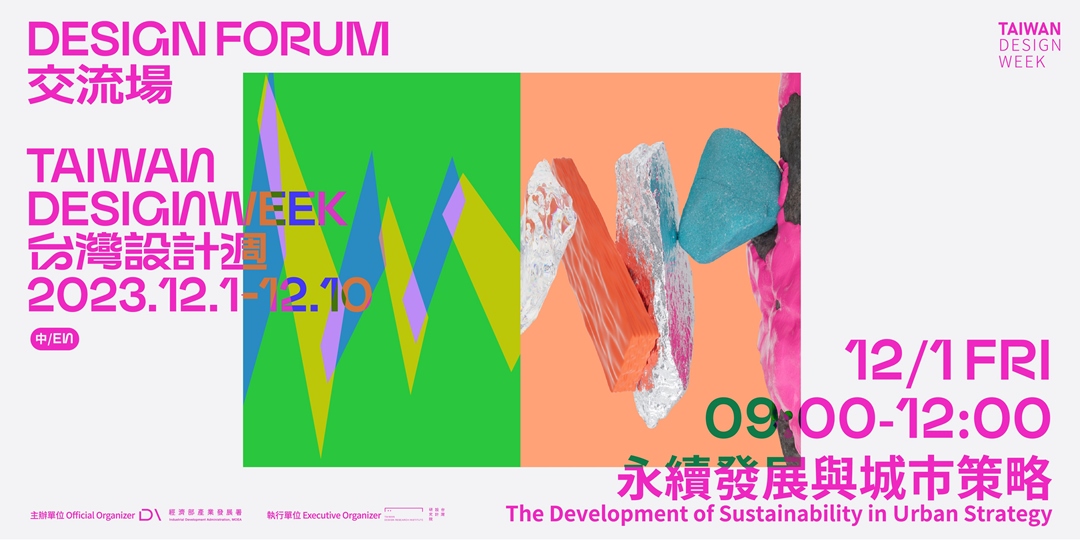
The Development of Sustainability in Urban Strategy
▍Introduction
Three international presenters in this session focus on relationships between sustainable development and cities. With innovative approaches and substantial design thinking, we can project a more sustainable and livable urban future. With appropriate urban planning and art interventions, we can elevate quality of life. Their experiences will inspire participants to imagine from multiple viewpoints.
The first Design Forum at Taiwan Design Week focuses on relationships between sustainable development and cities. Through innovative approaches and substantial design thinking, how can we create a more sustainable and livable urban future?
|Session 1: WDO Solutions-based Strategies for Sustainable Urban Development
Sustainable urban development seeks to meets the needs of a community without compromising the ability of future generations to meet their own needs. It prioritizes economic, environmental and social sustainability. If managed successfully, urban strategies can also contribute to sustainable growth through increased productivity and innovation. This requires a continually changing balance of viable infrastructure including transport systems, basic services, and employment opportunities, and the demands for a range of housing options for citizens.
World Design Capital (WDC), designated every two years by the World Design Organization (WDO), recognizes cities for their effective use of design to drive economic, social, cultural, and environmental development. Through a year-long programme of events, the designated city showcases best practices in sustainable design-led urban policy and innovation that improve quality of life.
World Design Protopolis (WDP) also supports the creation of solutions-based design projects to address key development issues globally. Derived from the idea of prototyping a metropolis, the term Protopolis was first introduced with the goal of supporting cities with both established and developing design acumen to implement projects that: use design as the driver for positive change within a community or neighborhood, align with one or many of the United Nations (UN) Sustainable Development Goals (SDGs), and engage methods and resources to measure the increase of civic well-being.
Using these WDO programmes as case studies we can begin to highlight key factors that will support the development of sustainability in urban strategies into the future.
|Session 2: Beyond "Sustainable" and "Human-Centered": Cultural Institutions and the Regenerative City
When we speak of how we might design more socially and ecologically healthy cities, we often talk of making them more "sustainable" and "human-centered." But what if these terms are insufficient or even misguided? Given the ecological damage that has already been done, to "sustain" the path we are on by simply minimizing further harm is no longer enough. Meanwhile, a growing body of thought now argues for shifting from "human-centered" to "more-than-human" perspectives that nurture not only humans, but all life. In following, can we think of creating not just sustainable cities, but ones that are both socially and ecologically regenerative (the two are linked)? This talk will examine the role of cultural institutions in doing so, as testing grounds for enacted speculations around the new practices, mindsets, and social and economic relations that a transition from sustainable to regenerative might require.
|Session 3: Design for Elastic Bridging: the role of designers
Elastic Bridging is a term that is mostly used in biomaterials, biopolymers, biominerals, etc. The key factors are they handle tolerance for high stress, and extreme load-bearing, and support experimentation and diversity in exploring new methods of problem-solving. Now let us see how this applies to modern-day design and the emerging role of designers!
Designers are crucial to the betterment of society. Using their unique approach and training to bring a human-centered approach to the development of useful products, enhanced experiences, or improved service delivery, they can address ever-changing needs. Today designers collaborate with peers in other disciplines and time zones on projects that result in creating better products, services, and overall improved quality of life.
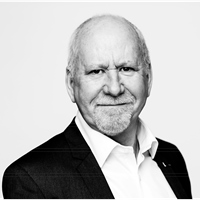
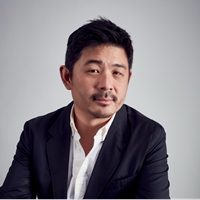
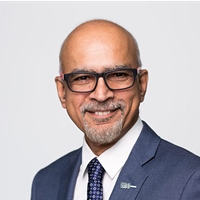
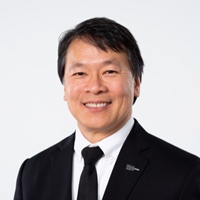
The session will be moderated by Taiwan Design Research Institute President Chi-Yi Chang. Presenters include World Design Organization President Thomas Garvey, and Het Nieuwe Instituut General and Artistic Director Aric Chen, and Former President of World Design Organization Srini Srinivasan, and Senator of World Design Organization David Kusuma. Their experiences can inspire participants to think about design impacts from multiple perspectives.
▍Dec. 1, 2023 09:00-12:00 (GMT+8)
▍Forum Agenda
09:00-09:30 | Registration |
09:30-09:40 | Opening Remarks |
| 09:40-09:45 | Introduction Moderator: Chi-Yi Chang (President of Taiwan Design Research Institute) |
09:45-10:15 | Session 1: WDO Solutions-based Strategies for Sustainable Urban Development Speaker: Thomas Garvey (President of World Design Organization) |
10:15-10:45 | Session 2: Beyond "Sustainable" and "Human-Centered": Cultural Institutions and the Regenerative City Speaker: Aric Chen (General and Artistic Director of Het Nieuwe Instituut) |
10:45-11:15 | Session 3: Design for Elastic Bridging: the role of designers Speaker: Srini Srinivasan (Prof. of Industrial Design & Chief Operations Officer of Design Innovation Institute Shanghai) |
11:15-11:45 | Panel Discussion Panelist: David Kusuma ( Senator of World Design Organization) |
11:45-12:00 | Recap & Closing |
◖◖ ◖◖ ◖◖ ◖◖ ◖◖ ◖◖ ◖◖ ◖◖ ◖◖ ◖◖ ◖◖ ◖◖ ◖◖ ◖◖ ◖◖ ◖◖ ◖◖ ◖◖ ◖◖ ◖◖ ◖◖ ◖◖ ◖◖ ◖◖ ◖◖ ◖◖ ◖◖ ◖◖ ◖◖
𝟮𝟬𝟮𝟯 台灣設計週 交流場
#彈性橋接,是面對持續變動時代的生存哲學。
多元共存的生活態度在疫情後成為主流,在全球化與在地化的雙向光譜中,台灣以軟Q的身段靈活面對各種挑戰。這樣的彈性也將讓我們持續進行各種跨國界、跨物種的橋接,衝撞更多想像。
本次將在12月首次舉辦台灣設計週,橋接台灣與世界各地設計的精彩創意!帶來12場「交流場」,探討永續、智慧、創新、數位等人類當代生活的關鍵字,探索設計在不同領域之間彈性橋接的重要角色。透過國內外產學研交流,以多元觀點深化跨域議題,鏈結最新國際趨勢,展現台灣設計研究院的豐沛的研究能量。
____________________
永續發展與城市策略
▍論壇簡介
作為2023台灣設計週TAIWAN DESIGN WEEK交流場第一場論壇,聚焦於永續發展與城市之間的關係,透過創新策略與深化設計思維,我們能夠為城市如何創造更永續宜居的未來?
主題1|確認中
主題2|在設計社會與生態友善城市時,人們往往追求「永續」與「人本」,但這些詞語是否足夠、方向是否明確?面對既有的生態創傷,光是延續現行路徑、減少未來傷害已不足夠;此外,愈來愈多人主張從「人本」觀點轉向「不只是人」,同時照顧所有生命。我們打造的城市除了永續之外,能否達到唇齒相依的社會和生態再生?本講座將檢視文化機構在其中的角色,做為各種新進實踐、思維、社經關係的實驗場,協助城市獲得從永續到再生的轉型動力。
主題3|在這個無奇不有、無限過載的宇宙中,如何以輕鬆的眼光重新想像、發明,並持續創造全新事物,是亟待全人類開展的論述;而如何利用「彈性橋接」兼具柔韌與強度的結構,承載資訊與歷史的重量,更是台灣設計創意領域的核心命題。
本場論壇由台灣設計研究院張基義院長主持,邀集世界設計組織WDO理事長Thomas Garvey、Het Nieuwe Instituut館長兼藝術總監Aric Chen、世界設計組織WDO前理事Srini Srinivasan三位重量級國際講師分享他們的經驗,並由世界設計組織WDO參事David Kusuma對談回應,啟發觀眾從各個角度思考探索設計的前瞻影響力。
▍12/01 (FRI) 09:00-12:00
▍論壇流程
09:00-09:30 | 報到入場 |
09:30-09:40 | 司儀開場 |
| 09:40-09:45 | 主持人開場引言 主持人:張基義 (台灣設計研究院院長) |
| 09:45-10:15 | 主題1|設計改變城市:WDO的創新思維 主講人:Thomas Garvey (世界設計組織WDO理事長) |
| 10:15-10:45 | 主題2|文化機構與再生城市—超越「永續」與「人本」 主講人:Aric Chen (Het Nieuwe Instituut館長兼藝術總監) |
10:45-11:15 | 主題3|彈性時代:設計師的新角色 主講人:Srini Srinivasan (上海創新創意設計研究院 工業設計教授 / 機構營運長) |
11:15-11:45 | 交流與談 與談人:David Kusuma (世界設計組織WDO參事) |
11:45-12:00 | 結語&賦歸 |
▍注意事項
本活動為經濟部產業發展署(以下簡稱本署)委託台灣設計研究院辦理之活動,為告知本署個資蒐集事項與保障您的報名資料,此Accupass活動頁面報名完畢後也請另外至https://tdri.surveycake.biz/s/r102V填寫活動所需資料。活動結束後也請協助填寫回饋問卷,感謝您的配合。
– 報名請填寫中文本名
– 活動現場備有同步口譯設備,於報到時領用,離場時繳還
– 主辦單位保有活動異動之權利
– 洽詢活動相關事宜,請聯繫:tingi_su@tdri.org.tw(蘇小姐)
____________________
◐2023台灣設計週◑
Taiwan Design Week
主辦單位|經濟部產業發展署
執行單位|台灣設計研究院
合作單位|財團法人台北市文化基金會、松山文創園區、打開台北、Giloo紀實影音
Organizer|Industrial Development Administration
Executive Organizer|Taiwan Design Research Institute
Collaborative Partner|Taipei Culture Foundation, Songshan Cultural and Creative Park, Open House Taipei, Giloo